

BAGS OF GRAIN, NOT BODY BAGS
….HH urges Great Lakes to trade Maize instead of bullets
By DAVID KANDUZA
INSIDE the bustling, brightly lit conference hall of the InterContinental Hotel this morning, the heavy atmosphere of regional conflict was momentarily pierced by the stark, grounding aroma of a simple staple food: maize.
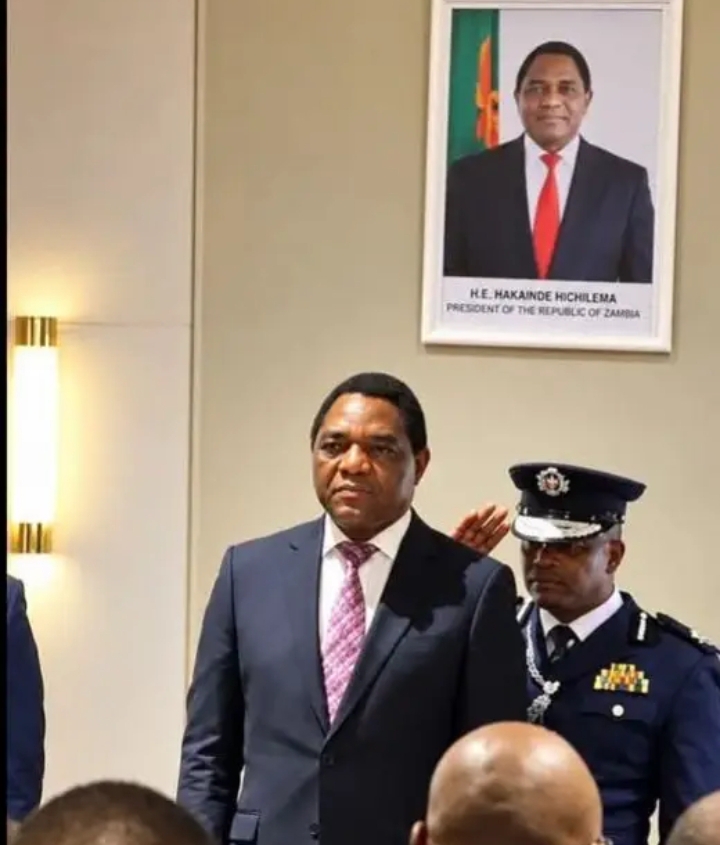
Addressing a room full of foreign ministers and diplomats from across 12 nations, President Hakainde Hichilema bypassed the standard, dry vocabulary of international diplomacy to deliver a raw, deeply human appeal for peace.
Officially opening the 20th Ordinary Session of the Regional Inter-Ministerial Committee (RIMC) of the International Conference on the Great Lakes Region (ICGLR) today, October 19, 2026, President Hichilema leaned into the podium with an expression that balanced the weight of a statesman with the earnestness of a farmer.
He painted a poetic yet jarring contrast of what the continent’s future should hold.
“I am looking forward to a day when Zambia will be exchanging maize with the Central African Republic, rather than soldiers,” President Hichilema declared, his voice echoing with absolute clarity across the quiet room.
The imagery hit home. For a region long defined by the tragic geometry of border disputes, rebel insurgencies, and peacekeeping deployments—where mineral wealth had frequently funded bloodshed rather than development—the President offered a refreshingly green alternative.
He invoked Zambia’s burgeoning status as a regional agricultural powerhouse, boasting millions of metric tonnes of maize stocks, to propose a new kind of geopolitical currency: food security over military interventions.
The theme of the high-level statutory and security consultations, hosted by Zambia but chaired by the Democratic Republic of Congo (DRC), focused heavily on the worsening of humanitarian crises and instability plaguing eastern DRC and neighboring areas.
Yet, Mr Hichilema’s antidote was rooted fundamentally in collective economic destiny and mutual trust.
“We should put the region together and walk together,” the President implored, gesturing broadly to the delegates gathered under the shared banner of peace.
The room, filled with dignitaries tasked with reviewing complex frameworks like intelligence sharing and defense pacts, listened intently as the Zambian leader shifted the spotlight from the hardware of war to the logistics of trade.
It was a masterclass in economic diplomacy—the pillar upon which Hichilema has firmly anchored Zambia’s foreign policy.
Outside the immediate confines of the diplomatic hall, the President’s vision was already finding traction in the soil. Zambia had been aggressively scaling up its formalised agricultural framework, recently executing massive, structured non-GMO mealie meal export programmes to feed millions in the DRC.
By driving production targets toward 10 million tonnes, the administration was actively attempting to prove that a well-fed neighbor is a peaceful neighbour.
As the ministers prepare to dive into grueling sessions regarding border security, resource governance and the tracking of conflict minerals, Mr Hichilema’s opening words remained standard as a moral compass for the days ahead.
The message from Lusaka today was undeniable: Africa’s vast borders should be lined with grain trucks, not battle lines.
And for the Great Lakes region to truly heal, its leaders must first possess the courage to trade their bullets for bread.