

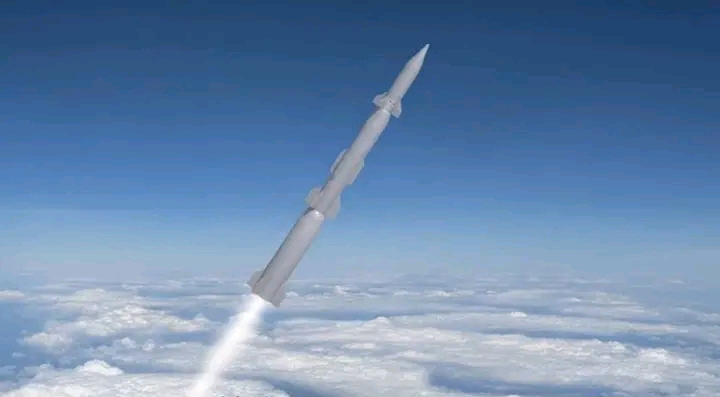
EUROPE ADVANCES HYDEF — ITS OWN ANSWER TO HYPERSONIC MISSILE THREATS
Europe has completed the first development stage of HYDEF, a joint effort to build a European interceptor against some of the most demanding missile threats. The milestone shows what European countries can achieve when they pool funding, engineering and industrial expertise around a shared defense need.
The first stage formally concluded in Madrid on October 22. The roadmap now targets a technological demonstrator by 2030—an important step toward proving the design, with further development and qualification needed before operational deployment.
HYDEF is being designed to intercept threats inside the atmosphere, including maneuvering hypersonic glide vehicles, hypersonic cruise missiles and maneuvering theater ballistic missiles. The challenge is to combine rapid interception with the ability to adjust course against a moving, maneuvering target.
Its published technical work covers advanced propulsion, aerodynamics, guidance, onboard sensors and control systems. Diehl Defence says technologies demonstrated during the initial phase included seeker technology—the interceptor’s target-tracking equipment—along with stage-separation mechanisms, electronics and aerodynamic technologies.
Final performance figures have not been established publicly in the announcements. Claims about an exact speed, maximum range or interception altitude would run ahead of the available evidence.
The 2030 target is Technology Readiness Level 6, meaning technology demonstrated in a relevant environment. That is a substantial engineering milestone, but it does not mean batteries will be deployed across Europe that year.
What makes HYDEF distinctly European is the industrial cooperation behind it. Spain’s SMS coordinates the project, Germany’s Diehl Defence leads technical coordination, and the consortium brings together 12 organizations from Belgium, Germany, Norway, Poland and Spain. Their work spans propulsion, airframes, navigation, guidance and launcher integration.
The initial program has €110 million in funding: €100 million from the European Defence Fund and €10 million from the five participating countries. Norway’s involvement also underlines that building European defense capacity extends beyond EU membership.
For Ukraine and its partners, the strategic importance is clear. Stronger European control over the development and production of advanced interceptors could eventually give the continent more options for protecting its people and infrastructure.
HYDEF still has to prove itself through further development and testing. But Europe is investing in the knowledge, technology and industrial cooperation needed to build that capability itself. The next test is sustaining the effort until a promising design becomes dependable protection.