

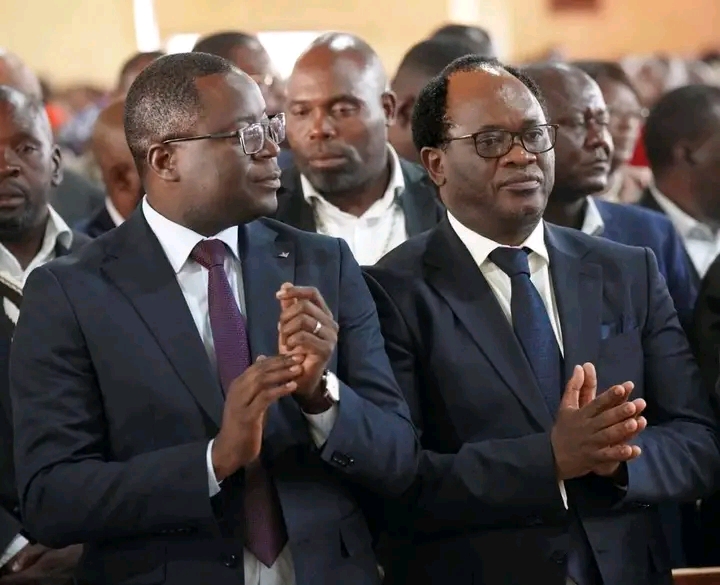
INSIGHT | Mundubile, Mwamba and the Burden of Proof
Nearly three months after the disputed August 2026 elections, opposition presidential candidate Brian Mundubile, his running mate Makebi Zulu and other accused persons remain at the centre of one of Zambia’s most consequential criminal proceedings. Arrested following a security operation in Lusaka on 14 August, the group faces serious allegations involving treason and related offences. Government maintains that national security was threatened, while the accused deny involvement in an attempted insurrection.
Fresh developments emerged on Friday when reports indicated that former Anglican Bishop and UNIP president Trevor Mwamba and two other co-accused were being released because of insufficient evidence. Although the precise legal basis and completion of their release remain to be independently established, the development raises questions about how thoroughly prosecutors assessed the evidence against individual suspects before bringing charges.
National security allegations deserve serious consideration. Following the August operation, authorities reported recovering weapons and military equipment allegedly linked to a plot against the constitutional order. Former Cabinet minister Mutotwe Kafwaya was killed during the operation, although the circumstances remain contested. Government has a legitimate responsibility to investigate credible threats to national security. However, the seriousness of an alleged offence cannot replace the evidence required to establish individual criminal responsibility.
Proceedings before the Lusaka High Court have meanwhile been dominated by procedural disputes. On Tuesday, judges dismissed the State’s objection to the procedure used by Mundubile and 17 others to seek constitutional bail. Prosecutors subsequently challenged portions of an affidavit referring to video footage allegedly showing a raid at Zulu’s residence.
Defence lawyer Milner Katolo argued that the material explained why Mundubile and Zulu sought refuge at a United Nations facility. “They did not expect them to just say we are not a flight risk, they needed to explain how they are not a flight risk,” he told journalists.
Chief State Advocate Chali Hambayi defended the prosecution’s objection, arguing that the disputed material introduced matters the State had not previously addressed. “If we had not raised that objection, those matters would have gone on to the court without us having an opportunity to respond to them,” she said. Her argument reflects a legitimate procedural concern because both sides must have an opportunity to challenge evidence.
Nevertheless, repeated preliminary disputes inevitably raise questions about the time taken to determine whether continued detention remains constitutionally justified.
Mwamba’s reported release introduces a particularly important legal distinction. Criminal responsibility is individual, meaning insufficient evidence against one suspect does not automatically invalidate the case against others. Equally, association with an accused person cannot establish guilt. Should prosecutors determine that charges cannot be sustained against particular individuals, withdrawing those charges would reflect proper prosecutorial discretion rather than necessarily demonstrating that the entire investigation was unfounded.
Political considerations make the proceedings especially sensitive. Mundubile was President Hakainde Hichilema’s principal challenger in August, securing approximately 37.9 per cent of the presidential vote against the incumbent’s 60.5 per cent. His electoral position does not confer immunity from criminal prosecution. However, the continued detention of a major opposition figure, particularly amid repeated procedural challenges, places a greater responsibility on institutions to demonstrate independence, transparency and respect for due process.
Ultimately, Zambia must reject two dangerous assumptions: that every national security prosecution is politically motivated, and that everyone accused of treason must necessarily be guilty. Prosecutors must present credible evidence, defence lawyers must be heard, and judges must determine the merits without political interference.
The strength of a criminal case lies not in the gravity of its allegations, but in the evidence capable of sustaining them. This standard must apply equally to Mwamba, Mundubile, Zulu and every other accused person.
The People’s Brief | Ollus R. Ndomu
14 November 2026