

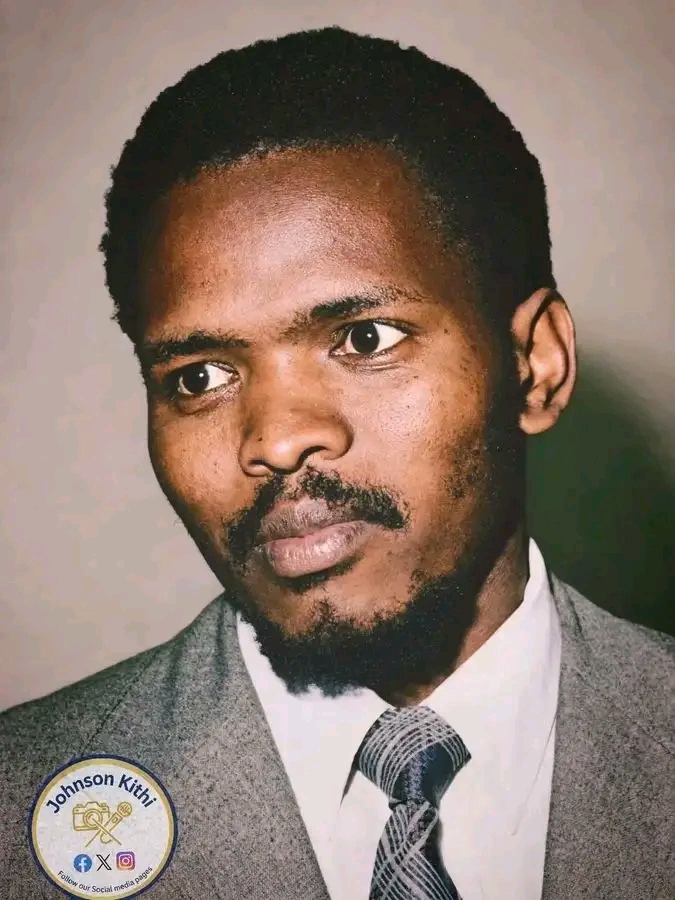
The Death of Steve Biko: Beaten To Death By Apartheid Police
On the 12th of September 1977, a young man died in a prison hospital in Pretoria, South Africa. He was only thirty years old. His name was Stephen Bantu Biko, and he was one of the bravest freedom fighters Africa has ever produced. His death was not natural. His death was not an accident. He was beaten to death by the police of the apartheid government.
To understand why Biko was killed, we must first understand what he stood for. Biko was the founder of the Black Consciousness Movement. At a time when Black South Africans were made to feel that they were inferior, that their skin was a curse, that they were born to serve white people, Biko stood up and told them a different message. He told them, Black is beautiful. He told them to be proud of who they are, to be proud of their hair, their skin, their language, and their culture. He told them that freedom would not come from white liberals feeling sorry for them, but from Black people freeing their own minds first.
The white apartheid government feared this message more than guns. They feared a Black man who could think. In 1973, they banned Biko. He was not allowed to leave his home town of King William’s Town. He was not allowed to speak to more than one person at a time. He was not allowed to write, to speak in public, or to be quoted in newspapers. They thought that by silencing him, they would kill his ideas. They were wrong.
On the 18th of August 1977, police stopped Biko at a roadblock in Grahamstown and arrested him. They took him to Port Elizabeth police station, where he was kept for twenty-four days in a lonely cell. On the 6th of September 1977, five police officers interrogated him. When he refused to answer their questions in the way they wanted, they turned violent. They beat him with a hosepipe. They slammed his head against a wall. They left him on the floor with a massive brain injury, chained, naked, and unable to stand.
For five days, the police did not take him to a hospital. They left him to suffer in his cell without food, without water, without medical care. On the 11th of September, they finally decided to move him. They threw his naked, handcuffed body into the back of a Land Rover and drove him one thousand two hundred kilometres to Pretoria, a journey of twelve hours. When he arrived, it was too late. He died the next morning, on the 12th of September 1977, from a brain haemorrhage caused by the beating.
At first, the police lied to the world. They said Biko died because he went on a hunger strike. The Minister of Police, Jimmy Kruger, even laughed and said that Biko’s death leaves me cold. But the doctors who did the autopsy found the truth. Biko had not starved himself. His brain had been damaged by blows to the head. In 1978, an inquest was held, but the magistrate said no one was to blame. No police officer was punished.
It was only twenty years later, in 1997, during the Truth and Reconciliation Commission, that the five officers confessed. They admitted they beat Biko because they thought he was arrogant. They asked for forgiveness, but the Commission refused to give them amnesty.
Steve Biko died, but his ideas did not die. His death shocked the whole world and exposed the cruelty of apartheid. Today, the whole world remembers him as a hero who was beaten to death, not because he carried a gun, but because he carried an idea – that Black people are human beings, and they deserve to be free.