

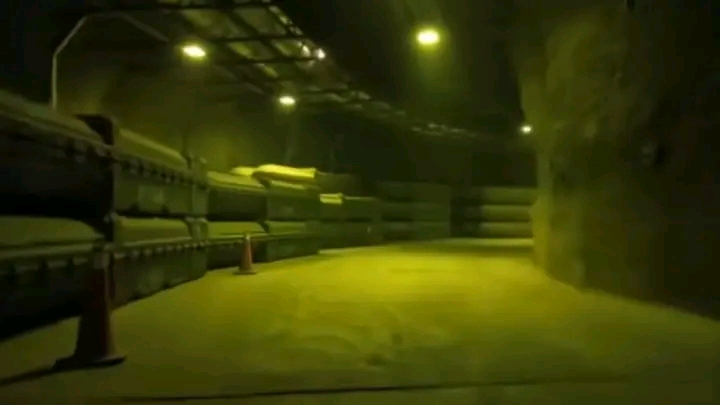
Iran Expands Deep Underground Military Bases — Some Buried Under Up to 100 Meters of Rock
Iran is accelerating the expansion and reconstruction of its underground military network following the U.S. and Israeli strikes in 2026. These facilities are designed to protect missiles, launchers, aircraft and military production from aerial attacks.
How deep are they?
Military tunnelling experts estimate that many Iranian missile facilities are buried beneath several dozen meters of rock, with some reaching approximately 50–100 meters of protective rock cover. Certain reports cite depths of up to 500 meters, but this figure has not been independently confirmed for specific missile bases.
What has Iran developed since the attacks?
February–March: U.S. and Israeli strikes damaged missile production complexes and at least 29 missile launch sites, including underground tunnel entrances.
May: Satellite analysis found that Iran had reopened 50 of 69 damaged tunnel entrances across 18 underground facilities.
September: Reconstruction continued at Eagle 44, Iran’s underground airbase, including construction of a second taxiway to improve access and provide an alternative route.
October–November: Satellite imagery revealed new excavation near the Karaj and Shahroud missile sites, as well as repairs and reinforcement at the Parchin complex.
November: The IRGC unveiled footage of underground missile facilities and claimed that missile and drone production lines were being moved underground.
Iran’s strategy is evolving beyond simply hiding missiles. It is rebuilding damaged entrances, expanding underground infrastructure and attempting to move more production below ground.
The objective is to ensure that even if surface facilities are destroyed, Iran can preserve weapons, restore operations and maintain its ability to launch missiles.