

Ian Khama, Zimbabwe, and the Limits of Regional Political Commentary
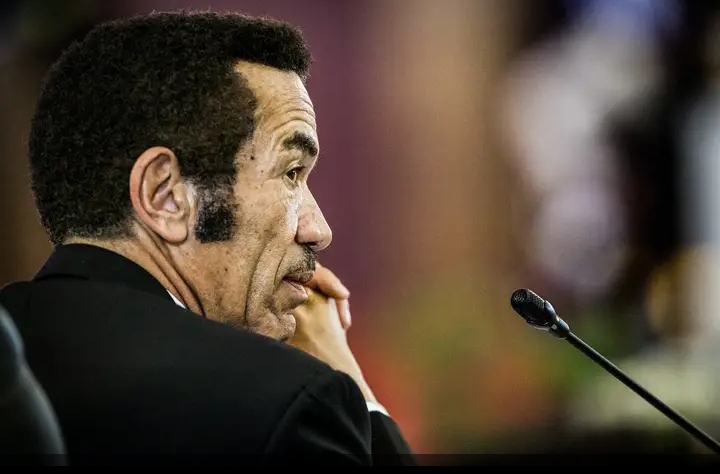
Former Botswana President Ian Khama has once again placed Zimbabwe at the centre of regional political debate. His recent allegations that he received warnings of an assassination plot allegedly linked to Zimbabwe, coupled with his continued criticism of Zimbabwe’s constitutional and political trajectory, have generated significant discussion across Southern Africa. However, the episode raises broader questions about evidence, sovereignty, diplomacy, and the role of former heads of state in regional affairs.
Public allegations involving assassination plots or state-sponsored operations are among the most serious claims that can be made. Such accusations demand credible, verifiable evidence. Khama himself acknowledged publicly that he could not independently verify the information he had received from unnamed sources. Without substantiating evidence, such claims remain allegations rather than established facts. Responsible public discourse requires that extraordinary claims be supported by extraordinary evidence.
Every sovereign state possesses the right to determine its constitutional and political future through its own legal institutions. Zimbabwe’s constitutional amendment process has proceeded through parliamentary procedures, including public consultation mechanisms prescribed under the Constitution, although observers have expressed differing views regarding aspects of those consultations.
Whether one supports or opposes constitutional amendments is ultimately a matter for Zimbabwe’s constitutional institutions and citizens. External commentary may contribute to public debate, but it cannot substitute for domestic constitutional processes.
Khama has consistently been one of the region’s most outspoken critics of Zimbabwe, dating back to the political disputes surrounding the 2008 elections. Throughout his presidency and retirement, he has frequently commented on Zimbabwean politics while also criticising governments elsewhere in Africa.
This long-standing pattern has led some observers to argue that his interventions, while reflecting his personal convictions, can be perceived as intruding into matters that are primarily the responsibility of Zimbabwean institutions.
Former presidents often retain moral influence beyond their time in office. Their experience can provide valuable perspectives on governance, democracy and regional cooperation. However, such influence is most effective when exercised with restraint, respect for sovereignty and careful attention to evidence.
In Southern Africa, regional diplomacy has traditionally emphasised dialogue, mutual respect and non-interference while encouraging peaceful resolution of disputes through established institutions.
Botswana and Zimbabwe share deep historical, economic and social ties. Their cooperation extends to trade, migration, security, infrastructure and regional integration through the Southern African Development Community (SADC). Public disputes between prominent political figures can place unnecessary strain on these relationships if they escalate beyond evidence-based discussion.
Maintaining constructive diplomatic engagement remains in the interests of both countries.
Political disagreement is an essential feature of democratic societies. Equally important is ensuring that criticism is grounded in verifiable facts rather than speculation. Claims involving national security or cross-border assassination plots carry serious diplomatic implications and therefore require a high evidentiary standard.
Ultimately, Zimbabwe’s constitutional future will continue to be determined through its own constitutional institutions and political processes. Regional leaders and former leaders may express their opinions, but lasting political legitimacy is shaped by domestic constitutional mechanisms, public participation and the rule of law rather than external commentary.