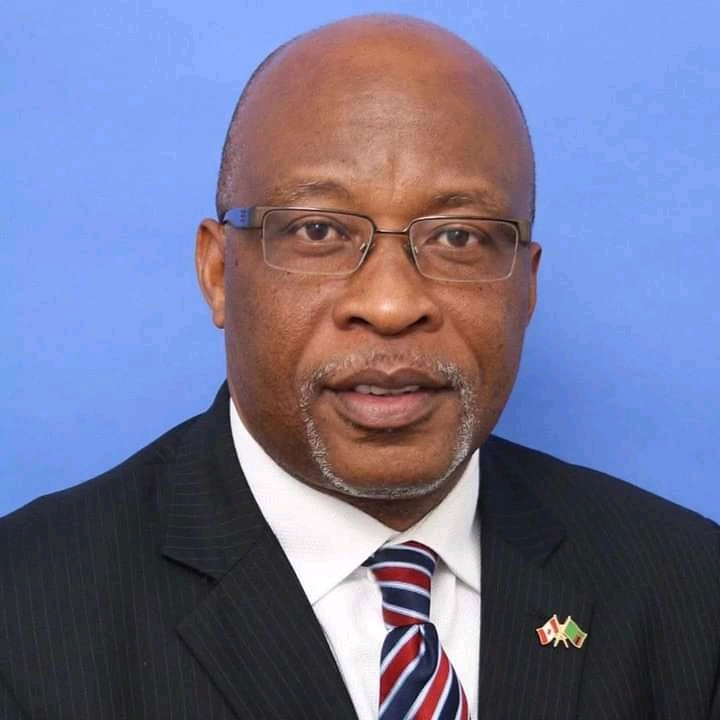
The Game of Governance – Why Nevers Mumba’s Football Analogy Misses the Goal
By David Zgambo | 8 December, 2024
In politics, as in football, the stakes are high—but unlike a game, the consequences of political missteps can shape a nation’s future irrevocably. Nevers Mumba’s recent attempt to frame the constitutional eligibility debate surrounding former President Edgar Lungu in the context of a football match is a misguided oversimplification. By reducing critical constitutional issues to a mere game, Mumba reveals a troubling disconnect from the very principles he once swore to uphold as Vice President of Zambia prior to his dismissal:
1. Misinterpretation of Constitutional Implications
Mumba argues that should the Constitutional Court declare Lungu ineligible, it would not lead to the nullification of the 2021 election results or a return of power to Lungu. While he attempts to use a football analogy to explain this, it does not capture the complexities of constitutional law. In reality, the ramifications of such a ruling could be far-reaching and would require a careful legal interpretation of Zambia’s electoral laws. Mumba’s oversimplified analogy suggests that the situation can be resolved without recognizing the potential for significant political upheaval, which undermines the serious nature of constitutional governance.
2. Personal Experience and Accountability
Mumba’s own political journey—a cameo as Vice President that ended with his dismissal by President Levy Mwanawasa—serves as a stark reminder of the consequences of shallow reasoning in leadership. His removal was not merely a tactical decision but a necessary reflection of accountability and the need for responsible governance. Just as a football player may be benched for poor performance, Mumba’s ousting underscores the tangible impact of ineffective leadership on the political landscape. Instead of using his “experience” to inform a deeper understanding of political responsibility, he trivializes complex constitutional issues, revealing a lack of introspection regarding his own failures and the reasons behind his political decline.
3. Misrepresentation of Legal Outcomes
Mumba contends that justice cannot reward the offender while punishing the innocent, suggesting that the courts will not nullify the election results simply because Lungu is declared ineligible. However, his interpretation overlooks the nuances involved in legal proceedings. While he presents a case for maintaining the integrity of the election results, he fails to acknowledge that the legal system may well have to navigate uncharted waters if the former president is deemed ineligible. The implications of such a ruling could lead to significant shifts in political power dynamics, and to dismiss this possibility is to ignore the realities of how electoral systems function.
4. Undermining Meaningful Discourse
By relying on a football analogy, Mumba ultimately undermines meaningful discourse on crucial constitutional matters. His approach dilutes the essence of political debate and distracts from the pressing issues facing Zambians. In an era where political engagement is paramount for democracy, his trivialization of constitutional issues does a disservice to the very citizens who deserve a deeper, more substantive discussion regarding governance and the rule of law. This inability to engage with serious themes raises questions about Mumba’s relevance in politics.
5. The Urgency for New Leadership
As our country navigates critical challenges, Mumba’s shallow reasoning and reliance on trivial analogies signal a desperate grasp for relevance in a political landscape that demands fresh, visionary leadership. His cameo as Vice President should serve as a cautionary tale about the importance of understanding the weight of political responsibility. Rather than contributing to meaningful discussions, he opts for trivial comparisons that undermine the significance of constitutional debates. Zambians deserve leaders who articulate serious policy positions and engage thoughtfully with the complexities of governance, not those who resort to hollow analogies that fail to resonate with the realities facing our nation.
6. The Need for Regulations in Religious Leadership
Additionally, Mumba’s background as a former pastor raises an important issue regarding the qualifications and responsibilities of religious leaders in Zambia. As he positions himself within the political arena, it becomes clear that not everyone should have the unregulated ability to stand before the masses and disseminate opinions that can significantly influence public perception and political discourse. The time has come for Zambia to institute stringent regulations and licensing requirements for pastors and religious leaders. This would ensure that individuals who take on such influential roles are held to standards that prioritize truth, integrity, and accountability. Just as we expect politicians to be informed and responsible, so too should we expect the same from those who guide the moral and spiritual compass of our society. By establishing these safeguards, Zambia can protect its citizens from misinformation and manipulation, fostering a political climate that values informed discourse over simplistic analogies.
Nevers Mumba’s use of a football analogy to discuss constitutional issues not only reflects a shallow understanding of governance but also highlights his diminishing relevance in Zambian politics. His failure to engage meaningfully with the complexities of constitutional law and justice demonstrates a disconnect from the responsibilities of leadership. As Zambia confronts pressing issues of governance, the need for substantive voices in political discourse has never been greater. We must demand leaders who rise to the occasion, who understand the intricacies of governance, and who can foster a political climate that reflects the seriousness of the challenges we face. Mumba’s continued attempts to engage in this discourse only underscore the urgent need for fresh, substantive leadership that truly addresses the pressing challenges facing our society.