

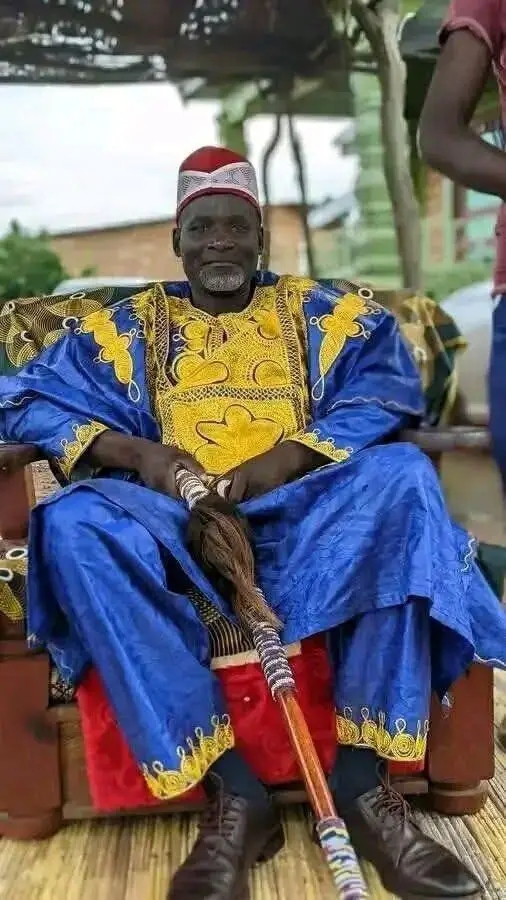
The Harassment of Chief Mporokoso: An Affront to Bemba Cultural Sovereignty
By Dr. Brian Malama
In Zambia’s Northern Province, the chieftainship of Mporokoso is no mere administrative post. As a senior chief under Paramount Chief Chitimukulu, he is a living custodian of Bemba heritage—an embodiment of communal identity and traditional governance. When state agents are perceived to mistreat such a figure, the transgression transcends the personal; it becomes a direct assault on the cultural sovereignty of an entire kingdom.
A Delicate Balance Fractured
The relationship between traditional leaders and the Zambian state has long rested on a constitutional yet fragile equilibrium. While the constitution formally recognises the role of chiefs, recent events—allegedly involving the Vice President’s security detail—have shattered that trust. Witnesses and community leaders describe the incident not as a mere security lapse, but as a calculated encroachment upon traditional authority. The failure to conduct due diligence on seating protocols, coupled with allegations of drugging and intimidation of the elderly custodian, has sent shockwaves through generations of the Bemba Kingdom.
Political Undercurrents
For political analysts, this is not an isolated cultural grievance. The timing and nature of the humiliation invite deeper scrutiny: Is this a symptom of broader state encroachment on customary institutions? Or does it reflect simmering tensions between the ruling administration and traditional power structures? President Hakainde Hichilema’s detractors have been quick to frame the incident as emblematic of what they term “divisive political chicanery,” arguing that the government’s silence—no apology has been issued—speaks louder than any denial.
Conversely, government loyalists may view this as an overreach by security personnel rather than state policy. Yet the political cost is undeniable. With elections on the horizon, the incident risks fuelling despondency among Bemba voters and other ethnic communities who view traditional leaders as indispensable moral anchors. Calls for national unity, if not backed by concrete gestures of respect, may ring hollow.
Social and Cultural Reverberations
Beyond the political calculus, the affair has ignited a broader societal debate: What role should traditional leaders play in modern Zambian governance? For many, chiefs are not relics of the past but vital mediators of customary law, land rights, and communal cohesion. Harassment of a chief, even by state bodyguards, is seen as a violation of cultural sovereignty that cannot be remedied by legal formalism alone.
This incident has galvanised civil society and traditional councils, prompting demands for enhanced legal protections against state overreach. Others, however, caution against romanticising traditional authority, arguing that a clear separation of powers—including accountability for chiefs—is essential in a constitutional democracy. The tension between these views underscores a deeper national conversation about pluralism, identity, and the meaning of respect in a rapidly changing polity.
Conclusion
Government has remained mute avoiding the matter attracting an official record. The harassment that balloon full views of the Chiefs subjects in public space exposes the raw nerves in Zambia’s state-traditional relations. The outcry serves as a powerful reminder: traditional leaders are not mere local administrators but living symbols of heritage. Their mistreatment carries profound political, social, and cultural ramifications. For the government, the path forward lies not in silence or defensiveness, but in a deliberate, respectful engagement that acknowledges the dignity of the throne and the unity of the nation it represents.
Ends
You are not telling us what actually happened to anchor your sentiments, hence the article is of no value to the reader at all.