

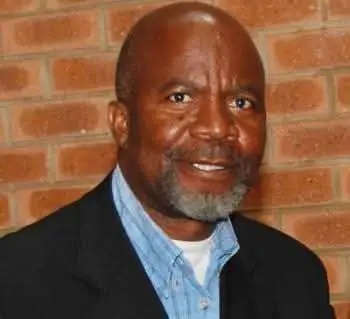
KATELE KALUMBA RISE TO THE DEFENCE OF DENTAINED FORMER SPY CHIEF, XAVIER CHUNGU
Constitutional Questions Raised by the Treatment of Xavier Franklin Chungu
As a senior former policymaker, legislator, founding member of the MMD, pioneer Chairperson and Trustee of the Zambia Centre for Interparty Dialogue, and a citizen concerned about the future of our democracy, I feel compelled to comment on the treatment of Mr. Xavier Franklin Chungu, a retired Director-General of the Zambia Security Intelligence Service and a duly nominated presidential candidate.
This matter is bigger than one candidate. It goes to the heart of whether Zambia remains governed by the Constitution, the rule of law, and fair electoral competition.
The first question is whether a retired intelligence chief is barred from contesting the Presidency.
No publicly known provision of the Zambia Security Intelligence Service Act creates a lifetime prohibition on a retired Director-General seeking elected office. The Act regulates service, discipline, secrecy obligations, and administration of the intelligence service. It does not create permanent political disqualifications after retirement.
Eligibility for the office of President is determined by the Constitution. Once a candidate has satisfied the constitutional requirements and has been validly nominated by the Electoral Commission of Zambia (ECZ), that candidate enjoys a strong presumption of eligibility unless a court of competent jurisdiction determines otherwise.
The second question concerns freedom of expression.
A retired intelligence officer remains bound by lawful obligations regarding genuinely classified information. However, democratic societies distinguish between disclosure of classified operational intelligence and participation in public debate on governance, public policy, national security, corruption, constitutionalism, and national development.
A duly nominated candidate does not lose the right to speak, campaign, grant interviews, or engage the public simply because he once held public office.
If allegations exist that classified information has been unlawfully disclosed, the State bears the burden of identifying the specific information, demonstrating that it is lawfully classified, and proving that a particular law has been breached.
General allegations and vague accusations are not sufficient.
The third question concerns the independence of electoral institutions.
The ECZ is expected to operate independently and impartially. Once nominations have been accepted, the removal of a candidate must follow lawful constitutional and judicial procedures.
No President, whether an incumbent or a candidate seeking re-election, possesses lawful authority to arbitrarily direct the cancellation of a rival candidate’s nomination outside established legal processes.
Any attempt to remove political competitors through executive influence, security allegations, or administrative pressure rather than transparent judicial proceedings undermines confidence in the integrity of elections.
The fourth concern relates to due process.
The arrest of an opposition candidate, heavily publicized searches, prolonged detention, and charges under serious national security laws demand the highest standards of transparency and evidence.
Espionage is among the gravest offences known to law. Such accusations require precision, clear particulars, credible evidence, judicial scrutiny, and strict adherence to due process.
If evidence exists, it should be presented before the courts and tested according to law.
If evidence does not exist, then the continued use of espionage allegations risks creating the appearance of political intimidation rather than legitimate law enforcement.
National security laws must never become instruments for managing electoral competition.
The fifth concern is equal political treatment.
Democracy depends not only on voting day but on whether all candidates are allowed to campaign freely and fairly before the election.
Opposition gatherings, media access, public appearances, civic engagement, and political activities must be regulated equally and without discrimination.
When citizens perceive that one side enjoys unrestricted freedom while the other faces disproportionate restrictions, confidence in democratic institutions begins to erode.
History teaches us that democratic legitimacy depends upon institutions being trusted by both winners and losers.
As citizens, elders, and patriots, our responsibility is not to inflame tensions but to defend constitutional principles.
We should insist on due process.
We should insist on independent institutions.
We should insist on equal application of the law.
We should insist on peaceful and democratic engagement.
The issue before us is therefore simple:
If there is credible evidence that Mr. Xavier Franklin Chungu committed espionage, let that evidence be presented openly before the courts and subjected to the scrutiny required by law.
If such evidence cannot be produced, then he should be allowed to enjoy the same constitutional rights afforded to every duly nominated presidential candidate.
The future stability of Zambia depends not merely on who wins elections, but on whether our institutions remain credible, impartial, and faithful to the Constitution.
The rule of law must prevail over political convenience.
Publish the evidence or release him.
From the desk of Dr Katele Kalumba, Natende Wa Lushiba
(EDITED VERSION)
Kaka Wesu Kaka Msimango
Dr. Katele Kalumba
Ba Katele let’s wait for more information from police.
We should insist on quoting the law which allows a former secret service officer to reveal secrets just because he is a presidential candidate.
Dr. Katrle Kalumba should wait for the due process of the law. Mr. Chungu as far as I am aware has not been disqualified by the ECZ. He successfully filed his nomination papers and this status has not changed.
The police will reveal to the courts of law the specific charges and the evidence. Then you can intelligently comment on the case.
We all know Dr. Katele Kalumba but for him to present his CV or past achievements raises the issue of credibilty. He conveniently does not disclose that he is also a former convict who got out of jail through a pardon of the President. So, what good was the brag from a convicted felony?