

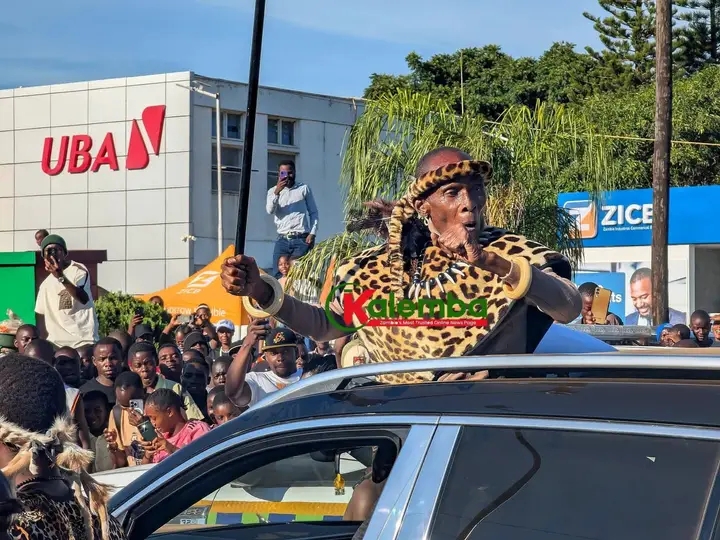
“Ncwala will never be the same again,” Zambians cry for Mpezeni
IT was as though the nation had been plunged into mourning long before any official funeral arrangements had been announced.
Social media was flooded with grief, disbelief and emotional tributes yesterday after news broke that Paramount Chief Mpezeni IV of the Ngoni people had died.
The revered traditional leader, who spent 44 years on the throne and became synonymous with the famous Ncwala Traditional Ceremony, passed away yesterday morning, leaving thousands of Zambians struggling to come to terms with the loss.
As word of his death began circulating around 11:00 hours, many initially dismissed the reports as yet another social media rumour.
But by early afternoon, reality started sinking in as politicians, musicians, traditional leaders and ordinary citizens took to their platforms to share heartfelt tributes to a man many described as humble, approachable and deeply loved.
At around 15:00 hours, Senior Chief Nzamane officially confirmed the death of the Paramount Chief during a press briefing, ending hours of speculation and triggering an outpouring of grief across the country.
President Hakainde Hichilema led the tributes, describing Mpezeni IV as a custodian of Ngoni culture and heritage and a unifying symbol of Zambia’s cultural diversity.
Former Chipata mayor George Mwanza, who shared a cordial relationship with the Paramount Chief was among those left devastated by the news.
“This awe mwandi. God give us strength,” he wrote with crying emojis.
For many who encountered him, Mpezeni was not just a king but a rare traditional leader who wore his crown lightly.
“He called me “mukazi olema lemba” from the first day we met,” this writer recalls. “That was a king and a half. He showed love to everyone and understood the importance of the media.”
As tributes continued to flood social media, many questioned whether the Ncwala Ceremony would ever feel the same without the man who had become its face.
“He became the face of Ncwala. Most people celebrated Ncwala even from other regions not because they liked it but because they liked the king,” wrote Mary Mweemba.
Another mourner, Nancy, posted: “Ba Mpezeni’s funeral will be like a second celebration of the Ncwala ceremony. He was one of the coolest chiefs to have ever lived.”
“The way I am hoping it’s not true,” commented Kalomje Zulu.
One follower thanked Kalemba for documenting the chief’s final years through its extensive coverage of the Ncwala Ceremony.
“Thank you Kalemba for fully covering the Ncwala with lots of pictures. This was the last. You showed the world the importance of media coverage. Our king was well covered,” wrote Micheal Tembo.
PeP president Sean Tembo was among those who struggled to accept the news.
“Baba Your Majesty, Inkhosi Yamakhosi King Mpezeni IV, mungatisiye tyani teka tabana banu sure? This is a big shock to me,” he wrote.
“I had to sleep over it, hoping that I would wake up to a different reality. I was hoping to wake up to news that your reported demise was just a rumour. But no. It is not a rumour. It is a sad reality.”
He recalled visiting Ependukeni Palace just weeks ago and being personally welcomed by the traditional leader.
“No kapaso, no protocol, just a father welcoming back his children,” Tembo said.
Meanwhile, some Bembas took a lighter approach to the sad news, jokingly warning their Ngoni cousins to prepare for powder smearing.
Born David Njengembazo Jere, Mpezeni IV ascended to the throne in 1982 following the death of his father.
Before becoming king, he spent much of his youth in Efeni Village in Chipata and later worked in a factory in Livingstone.
After ruling the Ngoni people for more than four decades, the traditional leader leaves behind a wife, one child and grandchildren.
He died at the University Teaching Hospital (UTH), and his body was later transferred to Maina Soko Medical Centre.
By Catherine Pule
Kalemba, May 31, 2026