

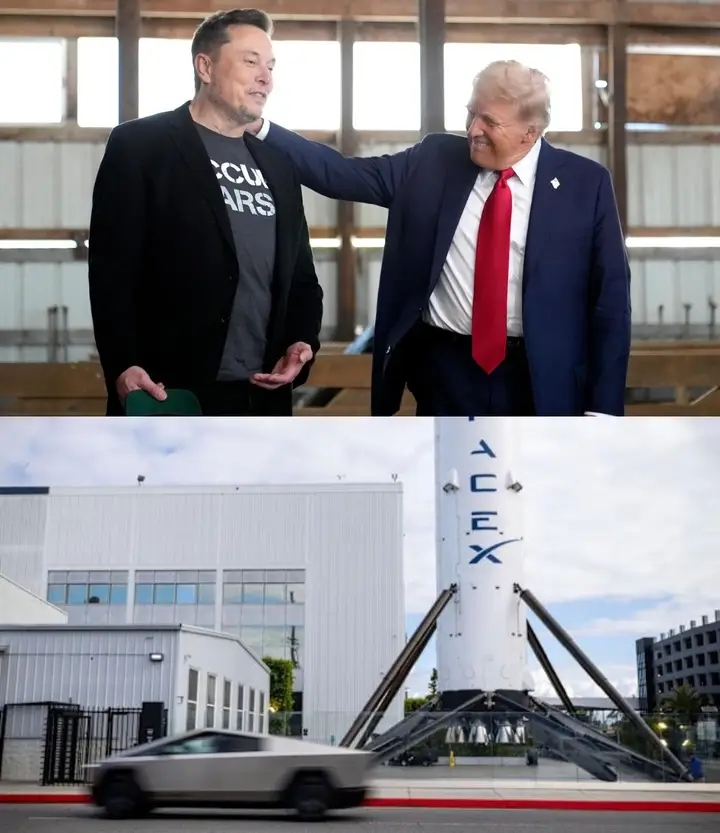
Elon Musk is about to become the world’s first trillionaire, and you should know exactly what that means in human lives.
If SpaceX’s planned IPO lands the way investors expect, Musk will personally hold roughly $1.11 trillion in wealth from Tesla and SpaceX alone.
To grasp the scale: if you spent a million dollars every hour, around the clock, it would still take you over a century to burn through a trillion.
Now consider what that pile could actually do.
The Department of Housing and Urban Development estimates it would take about $20 billion to end homelessness in the United States. Musk’s projected fortune could fund that for fifty-five years. Every veteran, every family in a shelter, every kid sleeping in a car. Off the street. For half a century.
The UN World Food Programme says ending world hunger by 2030 would cost roughly $40 billion a year. He could write that check for the next twenty-seven years and still have walking-around money left.
He could erase every penny of student debt held by the 20 million Americans under thirty-five, about $561 billion, and still have more than half a trillion sitting there.
He could fund universal Pre-K for every three- and four-year-old in America, at roughly $70 billion a year, for the next fifteen years
He could do all of these things.
Instead the wealth just sits. Tied up in stock that produces nothing for the schoolteacher in Toledo, the nurse in Phoenix, the diabetic rationing insulin in Charlotte.
Paper riches built on workers who unionize and get fired, on government contracts paid by your taxes, on a tax code that lets him borrow against his shares instead of paying what a janitor pays.
A society that mints a trillionaire while one in seven American kids goes to bed food-insecure has not failed at math. It has succeeded at upward redistribution, and it’s working exactly as designed.
The question isn’t whether Musk earned it. The question is what kind of country lets one man hoard the cure for so many of our preventable wounds, and then calls it freedom.