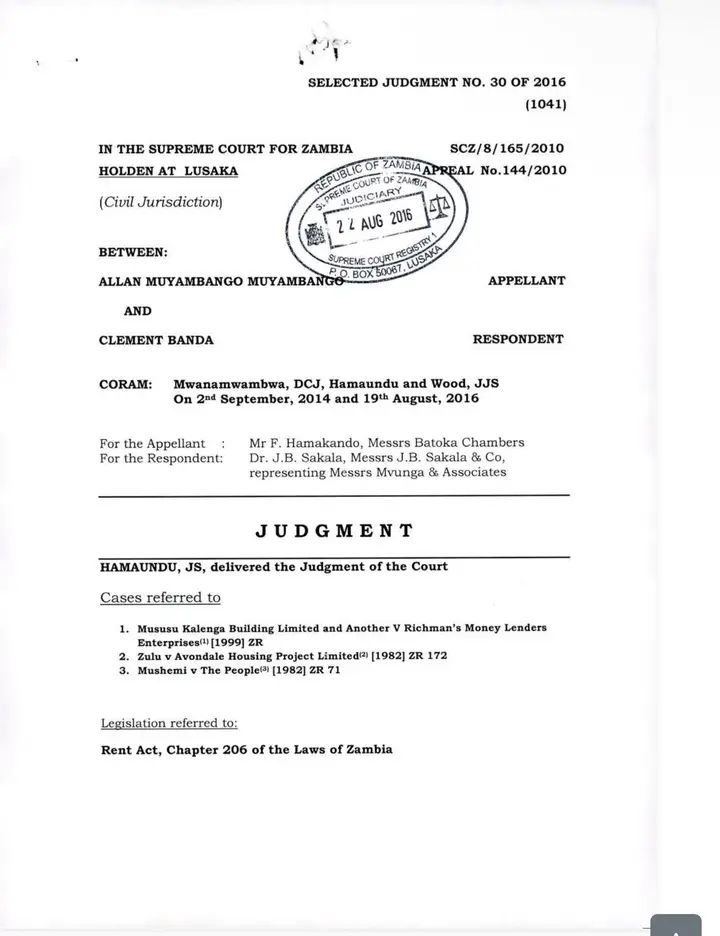
IN SCREENSHOT – CAN A LANDLORD LOCK YOU OUT OF YOUR RENTED HOUSE BECAUSE YOU OWE HIM RENT?
Picture this:
Mr. Banda is behind on rent. Not because he bought a convoy of Range Rovers or decided to sponsor the entire neighbourhood’s weekend braai. Life simply happened. School fees arrived. Mealie meal prices did what mealie meal prices do. The budget developed holes bigger than Lusaka potholes after the rainy season.
His landlord had had enough.
After several failed attempts to collect the rent, the landlord concluded that the fastest route to justice was not through the courts, but through the nearest hardware shop. Armed with a brand-new padlock and the confidence of a man who thinks he has just been appointed Minister of Housing, he locked Mr. Banda and his family out of the house.
“No rent, no entry,” he must have thought.
Unfortunately for him, the law was not impressed.
While Mr. Banda and his family were stranded, trying to figure out where they would sleep and explaining their situation to sympathetic church members, thieves broke into the house and conducted what can only be described as an unscheduled moving service. Household goods disappeared. Property vanished. Even bags of cement allegedly developed legs and relocated themselves.
The matter eventually reached the Supreme Court.
And the Supreme Court essentially said:
“Dear landlords, owning rental property does not automatically qualify you to be judge, police officer, bailiff, locksmith, and village headman all at once.”
Yes, tenants must pay rent. That is beyond dispute. But landlords must also obey the law. If a tenant falls into arrears, the Rent Act provides a procedure. You go to court. You obtain the necessary orders. You follow due process.
What you cannot do is show up with a padlock and the energy of a conductor chasing passengers who have not paid bus fare.
The Court held that once the landlord unlawfully took control of the house, he also assumed responsibility for what happened to the tenant’s belongings inside. In other words, if you insist on becoming the unofficial caretaker of someone else’s property, do not act surprised when the law sends you the bill.
WHAT DOES THIS MEAN FOR ORDINARY CITIZENS AND TENANTS?
It means that in Zambia, your landlord cannot simply lock you out because you owe rent. The courts, and not emotions, frustration, or advice from that one uncle who “knows how these things are done” … must determine the proper course of action
For tenants, it is a reminder that the law protects you from unlawful evictions.
For landlords, it is a warning that self-help remedies can become very expensive hobbies.
The moral of the story?
If you’re a tenant, pay your rent.
If you’re a landlord, use the courts.
Because in Zambia, a padlock from Soweto Market is not a court order, annoyance is not a legal process, and “I was teaching him a lesson” is not a recognised principle under the Rent Act. ⚖️🇿🇲
As the Supreme Court made clear, the key to lawful eviction is found in due process, not in your trouser pocket.
Disclaimer:
My commentary on this decision is no more a legal critique than a campfire tale is a treatise on thermodynamics. It is, rather, a dramatized retelling, a lively reenactment if you will, of the judicial clash, unburdened by the solemn drudgery of analysis and delivered with the unapologetic zest of a storyteller who knows a good duel when he sees one.
©️ Deeleslie Mondoka