

Why Government Can’t Just “Borrow” the $1.5 Billion from Our Dollar Reserves – A Simple Explanation
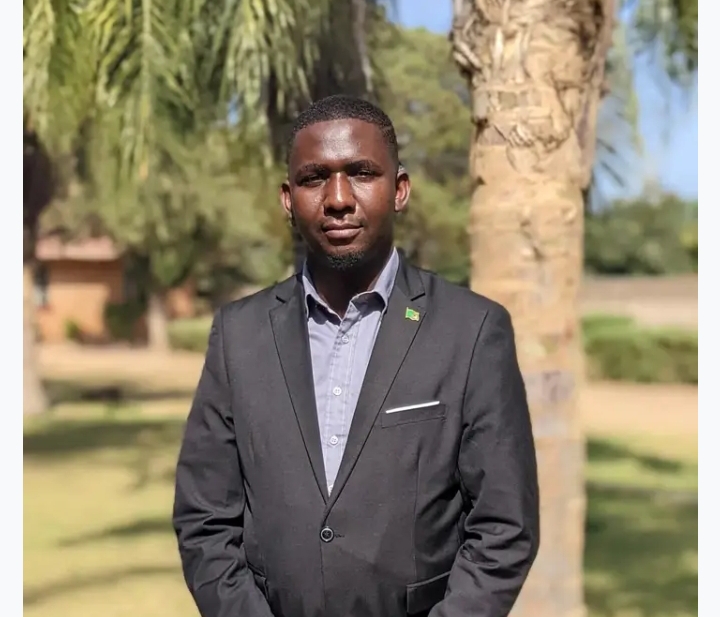
By Kennedy Chileshe, Executive Director, Jubilee Leaders Network
Some Zambians have been asking a very smart question. We hear that Zambia has over $6.5 billion in international reserves. At the same time, there is an opportunity to buy shares in ZCCM IH so that Zambians can own them. Some are asking: why can’t Government just take $1.5 billion from those reserves, buy the shares through ZCCM IH, then let ZCCM IH sell the shares to Zambians and pay back the money?
On paper, this sounds like a good idea. But in real life, it is not possible. Let me explain why, by first explaining what “reserves” really are.
What Are Dollar Reserves?
Think of reserves like the emergency stock of mealie meal or fuel that a shop keeps at the back. It is not money for buying new things. It is money kept aside for emergencies.
For Zambia, our dollar reserves are managed by the Bank of Zambia. This money is mostly used for two things: to pay for imports like fuel, medicine, and machinery, and to protect the Kwacha from crashing. If our reserves are low, the Kwacha becomes very weak, and prices of everything go up.
So reserves are not savings you can withdraw for any project. They are a shield.
Why Treasury Cannot Just Spend That Money
The Treasury (Ministry of Finance) cannot wake up one day and take $1.5 billion from reserves. Why? Because the law says reserves must be available at all times to cover at least three to four months of imports. If we touch that money, international lenders like the IMF will lose trust in us. The Kwacha will fall. Inflation will rise. Bread, cooking oil, and transport will become more expensive overnight.
Also, the Bank of Zambia is independent. It does not take orders from Treasury on how to use reserves. That independence is there to protect your money from political decisions.
Now Let Me Answer Your Specific Question
You asked: Can we take $1.5 billion from reserves, buy shares via ZCCM IH, then ZCCM IH sells shares to Zambians and pays back the $1.5 billion?
Here is the problem in simple terms:
1. Reserves are in US dollars. Buying shares in ZCCM IH would be done in Kwacha or dollars, but the moment you move that money out of reserves, it is gone. You cannot treat it like a loan to yourself. Government cannot borrow from its own emergency fund.
2. What if Zambians don’t buy the shares quickly? You said this is a time-constrained activity. If Zambians fail to buy all the shares in time, ZCCM IH would be stuck with the shares and no money to return to Government. That means the $1.5 billion would never come back. You have just spent emergency dollars on shares that are not easy to sell quickly.
3. Who takes the loss if share prices drop? Shares can go down in value. If ZCCM IH buys shares at a high price and then resells to Zambians at a lower price, who pays the difference? The taxpayer. That is a dangerous gamble with our emergency dollars.
4. It sets a bad example. If Government uses reserves for one business deal, tomorrow someone will ask for reserves to buy maize, then another for roads. Soon there will be no reserves left. We saw what happened to Zimbabwe and Venezuela when they used their reserves carelessly. We must not copy that.
What Can Be Done Instead?
If the aim is for Zambians to own shares in ZCCM IH, Government should raise the $1.5 billion through a proper bond, a loan from a development bank, or by selling other non-strategic assets. Or, Government can sell the shares directly to Zambians over a longer period without rushing.
But touching the $6.5 billion reserves is like a family using their rent money to buy a plot of land hoping to sell it quickly. If the buyer does not come in time, you lose the house.
Conclusion
I understand the concern. Many of us feel that if we have billions sitting in reserves, why not use them to create wealth? The answer is simple: reserves are not free money. They are insurance. Once you spend insurance money on a business gamble, you leave the country exposed.
We can always find other ways to fund the ZCCM IH share purchase. But let us not think of touching our dollar reserves. That money belongs to every Zambian’s future, not to any single deal, no matter how good it looks.
Hon. Kennedy Chileshe is the Executive Director of Jubilee Leaders Network, a citizen-led organization promoting Leadership, economic literacy and good governance in Zambia.