

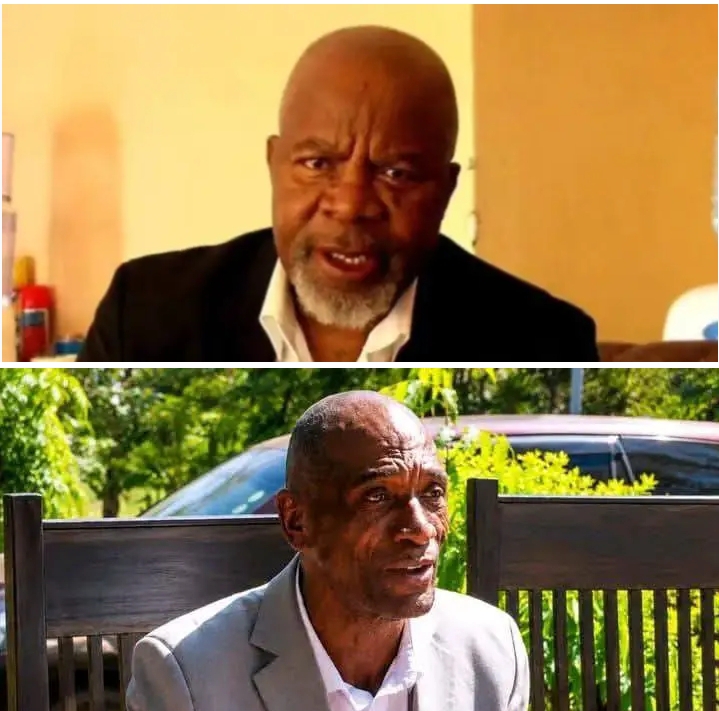
Kaka Msimango (Dr. Katele Kalumba) wrote
Andrew Banda on Civil Servants Campaigning for the Political Party in Power.
My take: The question of whether civil servants, including ambassadors, should openly engage in partisan politics during a general election goes to the heart of constitutional democracy, professional public administration, and public trust.
Under the 2016 Constitution of Zambia, the Civil Service is established as a professional institution serving the Republic rather than any political party. Civil servants are expected to implement the lawful policies of the Government of the day while maintaining political impartiality in the execution of their official duties. The Civil Service Code of Conduct similarly emphasizes loyalty to the Government of the day, placing the public interest above personal or partisan interests, and avoiding conduct that undermines professional integrity.
Ambassadors occupy a particularly sensitive position. Although appointed by the President, they represent the Republic of Zambia abroad, not the ruling political party. Their constitutional and diplomatic role requires them to promote Zambia’s national interests irrespective of changes in government. Open participation in election campaigns or public endorsement of one political party may therefore raise questions about diplomatic neutrality and the appropriate use of public office.
The implications of overt partisan conduct by civil servants include:
Erosion of political neutrality. Citizens may lose confidence that government services will be delivered fairly to all, regardless of political affiliation..
Unequal electoral competition. If state officials use the prestige, resources, or influence of their offices to support the incumbent, opposition parties may perceive the electoral playing field as uneven.
Institutional politicisation. A civil service identified with one administration may struggle to work effectively under a subsequent government, undermining continuity and professionalism.
Reduced public trust. Democratic governance depends on confidence that public institutions—including the civil service, diplomatic service, police, and regulatory bodies—act impartially and according to law.
International perception. Diplomatic missions are expected to reflect the state rather than partisan interests. Public partisan conduct by ambassadors may affect Zambia’s image as a constitutional democracy committed to professional governance.
Supporters of a more permissive approach may argue that civil servants, as citizens, retain constitutional rights to freedom of expression and political opinion. However, many constitutional democracies recognize that these rights may be subject to reasonable limitations where necessary to preserve the impartiality, integrity, and effectiveness of the public service. The central issue is therefore not whether civil servants have political views, but whether they publicly exercise them in a manner that compromises official neutrality.
The enactment of Constitution Amendment Act No. 7 (formerly Bill 7), following extensive national debate, has intensified public scrutiny of constitutional governance and electoral fairness. The amendment itself has generated differing legal and political opinions regarding both its substance and legislative process.
From the perspective of constitutionalism, the guiding principle should remain that the civil service belongs to the State, not to the government of the day; and the government of the day is not synonymous with the ruling political party. This distinction is fundamental in Westminster-inspired constitutional systems such as Zambia’s.
Ultimately, if ambassadors and civil servants openly campaign for an incumbent President during a general election, the consequences may extend beyond the immediate electoral contest. Such conduct can weaken institutional independence, diminish confidence in the neutrality of the state, invite legal and constitutional challenges, and deepen political polarization.
Conversely, maintaining professional impartiality strengthens democratic legitimacy, ensures peaceful transfers of power when they occur, and preserves public confidence in the institutions of the Republic.
Former National Secretary of the MMD under Levy P.Mwanawasa
Rupiah Banda. Constitution and Political Science Scholar.
Mr Kalumba; the convict wants to make another moral judgement.
“Although appointed by the President, they represent the Republic of Zambia abroad, not the ruling political party. Their constitutional and diplomatic role requires them to promote Zambia’s national interests irrespective of changes in government”
But the question is are Ambassadors and High Commissioner who are Political appointees civil servants?
They are NOT career diplomats? The world over few career diplomats are ever appointed by their Head of State or Head of Government. They are emmissaries of the Head of State just like Ministers. Dont Ministers speak for the state when they act in office? How different are Ambassadors? When Mwamba and Mukwitwa were campgaining in 2021 you were quiet. Now its a problem?a
Katele Kalumba should stop politicking and keep quiet. His tainted poor judgement got him imprisoned. How then can we trust his anology on issues? He didnt reason rightly then signing payments with X F Chungu. Today we are suppose to trust his thinking?
Katele, where is your famous Laptop?