

China Remains Critical to Trump’s New “Economic D-Day” Pressure Campaign Against Iran
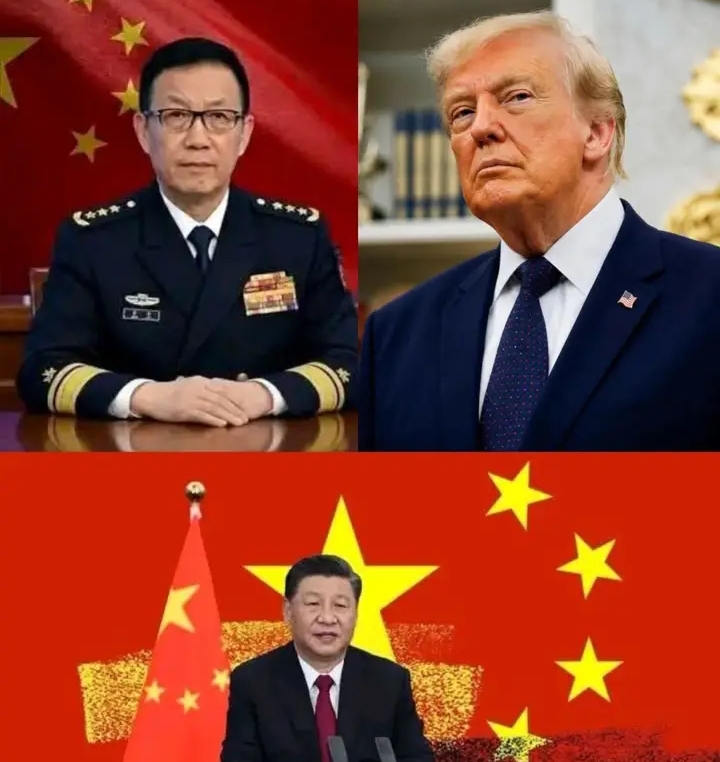
As Chinese President Xi Jinping reportedly rejected the Trump administration’s appeal for cooperation, experts say Beijing remains the key factor that could determine whether Washington’s new maximum economic pressure campaign against Iran succeeds.
The campaign, described as an “economic D-Day”, seeks to further isolate Tehran financially and restrict its ability to export oil. China, however, remains the largest buyer of Iranian crude, absorbing the vast majority of Iran’s exports through complex trading networks, intermediaries and a so-called “shadow fleet” of vessels.
Sanctions experts argue that completely isolating Iran would be technically difficult without restricting Chinese financial transactions, money transfers and the use of front companies and trading networks based in mainland China and Hong Kong.
The standoff comes despite President Donald Trump’s threat to impose punitive tariffs of up to 50% on Chinese goods if Beijing continues trading with Tehran.
China has firmly rejected the idea of joining Washington’s campaign against Iran, highlighting the growing confrontation between the United States and China over sanctions, energy and Iran’s economy.