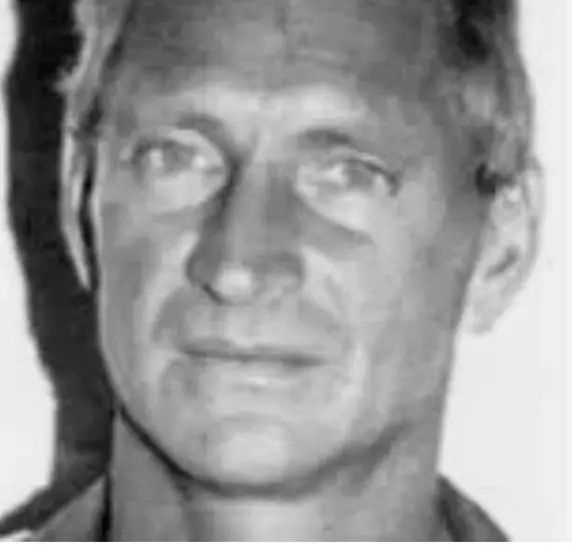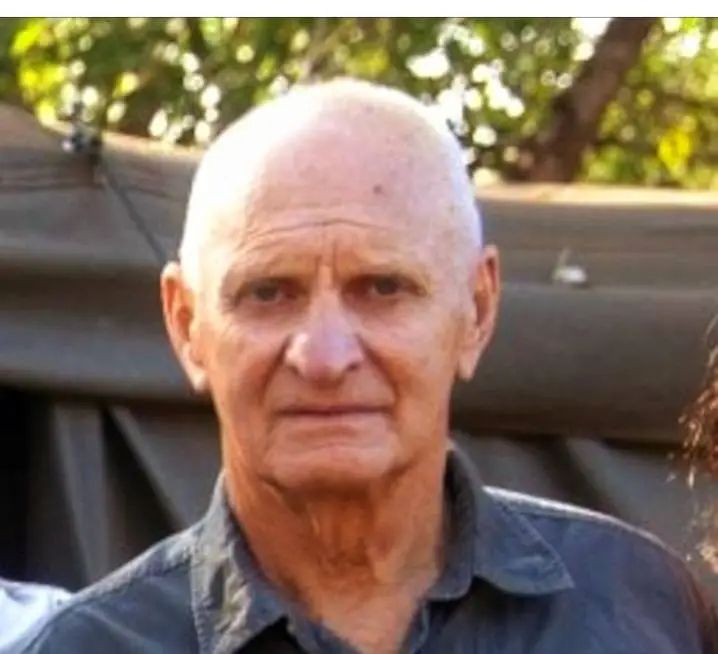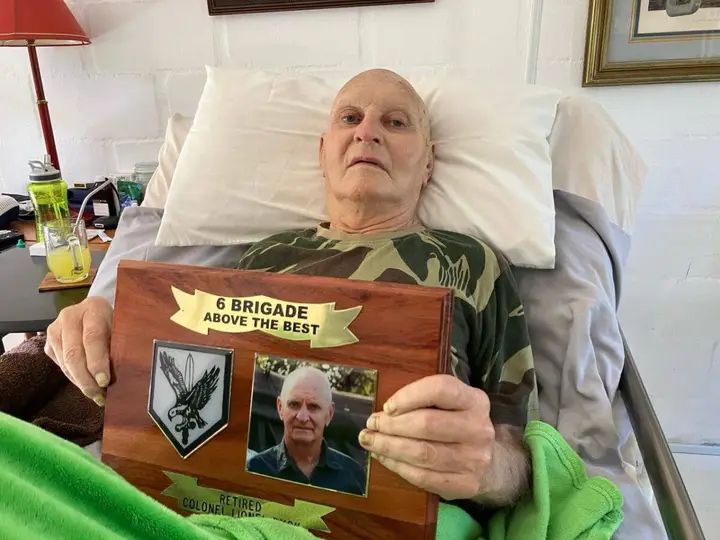
COLONEL DYCK: FROM RHODESIAN SOLDIER TO MERCENARY CONTRACTOR
Zimbabwean-born military contractor Lionel Dyck lost his battle to cancer in 2024 at his farm in Cape Town, South Africa, at the age of 80.
Dyck was deeply embroiled in the bloody independence struggle in Zimbabwe, then in the integration of Zimbabwe’s military after independence, and later in armed action in Mozambique.
Born in January 1944, Dyck was educated at then all-white Umtali Boys High (now Mutare Boys High) in what is now Zimbabwe’s third largest city, Mutare, in Manicaland province, bordering Mozambique.
According to a family note sent upon his death, he experienced his first taste of military life in 1961 when he enlisted in the Rhodesian Light Infantry.
That was the year Rhodesia formulated a constitution that favoured white minority rule, leading to the rise of black resistance movements that gave birth to Zanu and Zapu in the early 1960s.
Dyck would later be moved to the “internal affairs” group that came to be known as the Central Intelligence Organisation, which spied on black nationalist movements.
In 1976, at the height of the liberation struggle, Dyck moved to the Rhodesian African Rifles (RAR) and fought to defend the government throughout the war, until black majority rule was established in 1980.
There’s also a legend shared by those who were in the army with him in the 1980s that Dyck once had a lion for a pet.
At independence, Dyck was asked to stay on by then-prime minister Robert Mugabe to help integrate RAR and the two guerrilla armies: the Zimbabwe People’s Revolutionary Army (ZPRA), trained by the Soviets and Cubans, and the Chinese-trained Zimbabwe African National Liberation Army (Zanla) into a professional military unit.
In one historical account, Dyck is quoted saying:
“I just wanted to be a soldier and do my job well. I did not care about the colour…”
The early years after independence saw clashes between ZPRA and Zanla, particularly in 1980 and 1981 in Bulawayo, when ZPRA forces were on the brink of pushing Zanla from the city.
Historical accounts included in books such as The Kevin Woods Story: in the Shadow of Mugabe’s Gallows hold that Dyck’s RR stopped the clashes.
Mugabe would later honour Dyck with the Silver Cross of Zimbabwe.
Dyck became a training instructor, and was also integral in the ZNA’s response to the Renamo insurgency in Mozambique, before retiring from the army in 1990.
In 2015, Major General Bob Hodges, the inaugural commandant of the Zimbabwe Army Staff said:
“Dyck was a one off. He was an extrovert. I don’t think he was a psychopath but he was going towards it because he was an absolute killing machine on the battlefield.”
Like many former Rhodesian soldiers before him, Dyck settled in South Africa.
Just a year before leaving the army, he was one of the founders of a United Kingdom-registered firm MineTech International, which expanded to become one of the world’s leading providers of explosive ordnance disposal, specialised security dog services, and demining services.
During peacetime, his Dyck Advisory Group (DAG), founded in 2012, was involved in demining, explosive hazard management, specialised security, canine services, and counter-poaching throughout the Southern African region.
Dyck became more prominent for DAG and was at times the face of the modern-day mercenary that functions as a business through deals with governments.
Dyck later returned to Mozambique to fight Islamic extremists in Cabo Delgado.
In interviews in 2021, Dyck called for help in Mozambique where his band of mercenaries were “not counting bodies but focusing on the living”.
In his appeal, he pleaded for Mozambique to get sufficient troops.
That was his last mercenary mission.