

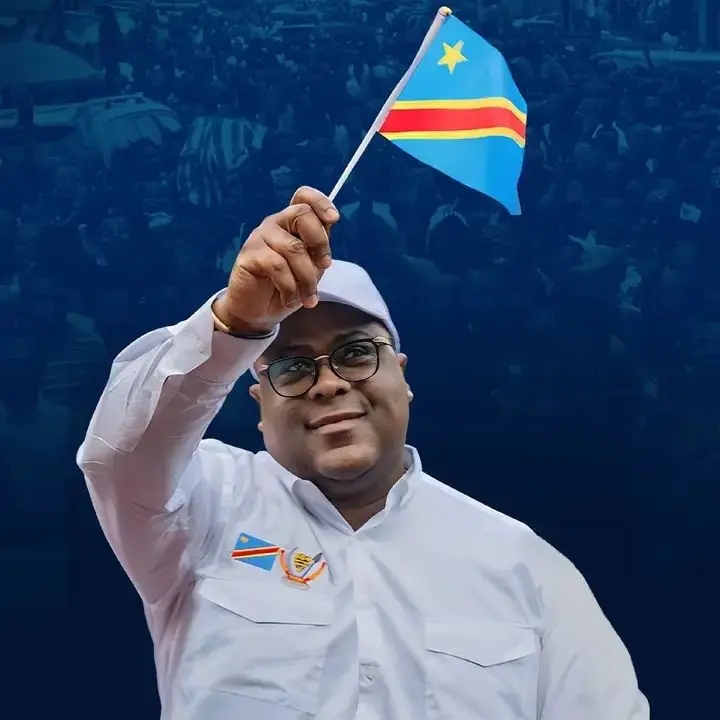
🇨🇩 REGIONAL | Congo’s Tshisekedi Moves Closer to 3RD-Term Path as Referendum Bill Clears Senate
The Democratic Republic of Congo has taken a significant step toward a potential constitutional showdown after the Senate approved legislation governing national referendums, opening a pathway that could ultimately allow President Félix Tshisekedi to seek a third term in office.
The vote, secured by Tshisekedi’s parliamentary majority, comes at a politically sensitive moment for Central Africa’s largest country. Officially, the legislation is a technical framework for conducting referendums.
Politically, however, it is being viewed through a different lens. Opposition parties see it as the first legislative building block toward revising constitutional term limits and extending the President’s stay in power beyond 2028.
Current constitutional provisions limit Congolese presidents to two five-year terms. Tshisekedi, who first assumed office in 2019 and secured re-election in 2023, is expected to leave office at the end of his second mandate.
But recent remarks by the President have intensified speculation. Speaking last month, Tshisekedi indicated he would be willing to continue leading the country if citizens endorsed constitutional reforms through a referendum.
The development has already sharpened political tensions across the country. Friday’s demonstrations in Kinshasa descended into clashes between supporters and opponents of constitutional reform, highlighting the growing divide over the future of the presidency.
Several opposition figures were reportedly injured as rival groups confronted each other amid a heavy security presence.
Regional observers are watching closely because the debate extends beyond Congo’s borders. Across Africa, constitutional term limits remain one of the continent’s most contested democratic questions. Several leaders have successfully amended constitutions to extend their tenure, while others have faced fierce resistance from opposition groups and civil society organisations seeking to preserve democratic safeguards.
For Tshisekedi, supporters argue constitutional reform could provide continuity at a time when the country continues to battle insecurity in the east, economic pressures and complex regional challenges.
Critics counter that altering presidential term limits risks weakening democratic institutions and setting a precedent that could outlast the current administration.
The bill must now pass scrutiny by the Constitutional Court before proceeding to President Tshisekedi for assent. Should it survive those hurdles, the Democratic Republic of Congo could find itself entering one of the most consequential constitutional debates in its modern political history.
For corrections, partnerships, advertising inquiries, opinion submissions and story tips, contact the People’s Brief editorial team at editor.peoplesbrief@gmail.com.
We welcome diverse views, evidence-based debate and contributions that help readers better understand political developments across Zambia and the African continent.
© The People’s Brief | Mendoi Liteta