

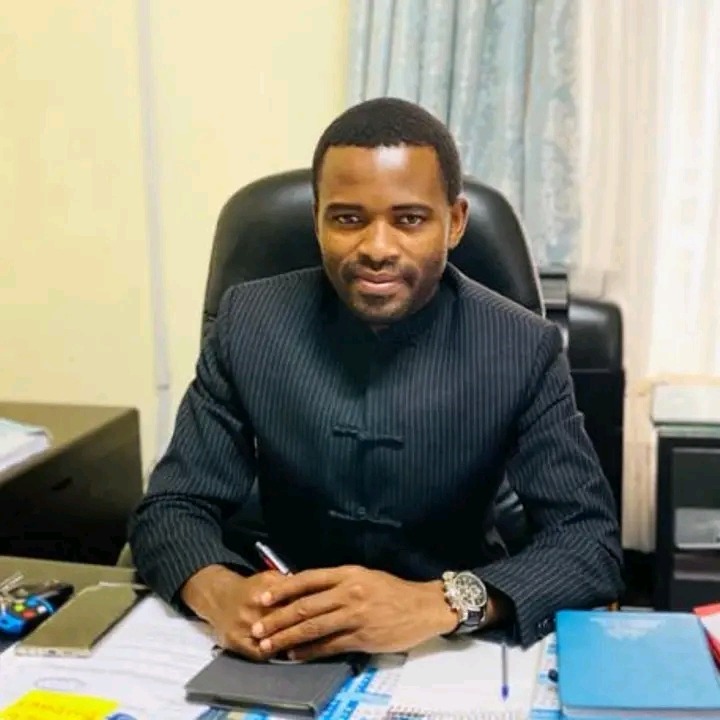
By Farai Ruvanyathi
Signals from the Tonse Alliance calling for forgiveness, unity, reconciliation and national healing initially emerged as distant murmurs, reverberating through news outlets and across social media. At first, they appeared to be little more than rumours promoted by self-styled political experts such as ‘Dr’ Zumani Zimba. Those calls have since grown louder. Yesterday, from his European hideout, Binwell Mpundu, the very man who first raised the spectre of a possible armed insurrection through his now-infamous declaration, “to kill or be killed”, called upon President Hakainde Hichilema to facilitate healing, forgiveness and dialogue.
Dialogue is a constructive exchange of views between two or more parties, intended to promote understanding, resolve differences or establish common ground. Ordinarily, parties entering dialogue bring legitimate interests, grievances or proposals to the table. In the present circumstances, however, the call for dialogue is profoundly misplaced. Several Tonse Alliance leaders are in custody facing grave allegations of treason and involvement in a possible armed insurrection. What, precisely, are they proposing to bring to the table? More importantly, what would such dialogue mean for the laws governing treason and the constitutional duty of the State to investigate threats to national security?
It is bizarre to demand dialogue before the truth has been established. Such a demand risks becoming an attempt to evade accountability, obscure the alleged crimes and substitute a political arrangement for a judicial determination. These are the same individuals whose prevailing narrative has been that the treason charges were concocted and that the election was stolen. That is precisely why a full and transparent trial is necessary: the evidence must be tested in open court so that their claims may either be proved or disproved.
Only after the judicial process has established the truth can meaningful dialogue, reconciliation or the question of clemency properly arise. Until then, calls for reconciliation misrepresent the circumstances and risk interfering with the administration of justice. If the accused are vindicated, they should regain their freedom and reputations. If they are convicted, they must face the consequences prescribed by law. Due process, not political bargaining, must determine the outcome.
The President’s constitutional duty is to protect the Republic and its people from anyone alleged to have attempted to circumvent democratic processes and usurp power. Any presidential prerogative relating to clemency should be considered only after the courts have completed their work. Dialogue at this stage would establish a dangerous precedent by suggesting that serious allegations against the State may be negotiated away before the evidence is heard. Why are they in a hurry and what are they hiding? This is no laughing matter.
When President Hakainde Hichilema consistently preached, promoted and preserved peace, certain opposition figures responded with inflammatory rhetoric and threats of confrontation. Now that their reckless political project has failed, they seek forgiveness, dialogue and reconciliation without first accepting responsibility or submitting their claims to judicial scrutiny. Reconciliation cannot be credible when it is invoked merely as an escape route from accountability.
Forgiveness does not erase the law, and reconciliation cannot replace justice. Those accused must be treated firmly but fairly, with their constitutional rights fully protected. Should the courts find them guilty, they must serve the sentences imposed upon them. If they genuinely wish to serve the State, they must first demonstrate respect for its Constitution, democratic institutions and laws.
The State must neither persecute nor indulge them. It must proceed resolutely, lawfully and without political interference. Individuals convicted of attempting to subvert constitutional government cannot be entrusted with public power merely because they describe themselves as politicians or aspirants to public office. Criminal conduct does not become legitimate political activity simply because it is committed in pursuit of power.
They must therefore not be handled with undue leniency. The allegations are exceptionally serious, and the law must be allowed to take its full and impartial course. Justice must be firm, transparent and consistent, booth to establish the truth and to safeguard Zambia’s peace, unity, security and constitutional order.
Farai Ruvanyathi is a Zambian international political and governance analyst based in Kimberley, Northern Cape, South Africa