

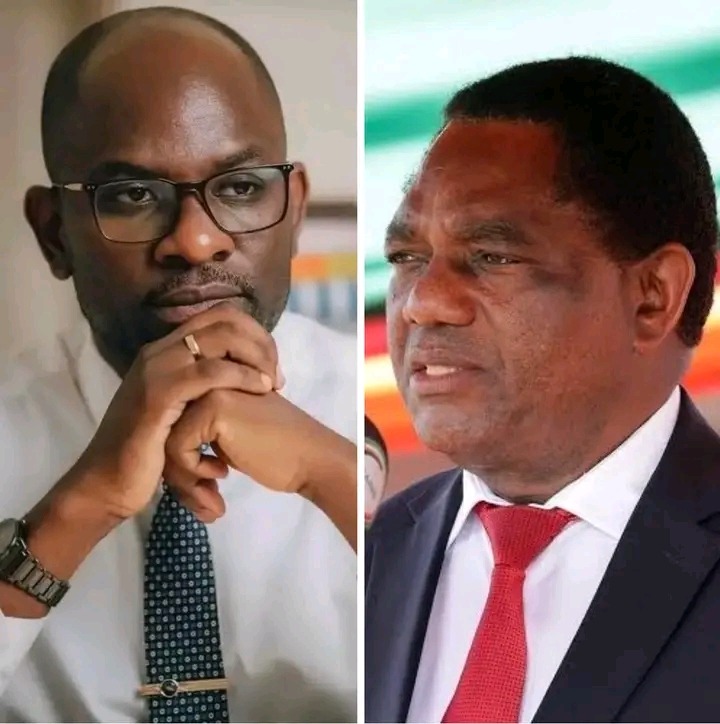
EDITORIAL | Reconciliation over what?
There is a noticeable softening of language across parts of the Tonse Alliance. Words such as dialogue, reconciliation, peace and engagement are appearing more frequently. They are useful words in a democracy, but they require an object. Dialogue over what? Reconciliation from what? Zambia has voted. The presidential result was declared, the constitutional period for challenging it passed, and President Hakainde Hichilema has been sworn in for a second term. The electoral process has moved beyond the stage where it can be challenged.
This makes the emerging language important. A substantial section of the opposition continues to believe the August election was rigged, while some of its leading voices are now calling for reconciliation. The two positions create an obvious question. If the dispute is still about who won the election, what exactly can dialogue now resolve? The UPND also emerged with 137 parliamentary seats against 59 for the NRPUP, the principal parliamentary vehicle associated with the opposition alliance. Parliamentary results do not automatically determine a presidential vote, but the wider electoral map cannot simply be ignored when alleging a nationally manufactured outcome.
Reconciliation cannot become a substitute for resolving facts. Imagine two teams leaving a stadium after a disputed match. One insists the score was manipulated. The other says it won. But the competition has ended, the result has been certified and the trophy presented. Calling the teams into a room afterwards may improve relations, but it cannot rewrite the scoreboard. Dialogue can repair political relationships. It cannot retrospectively manufacture a different electoral outcome.
This is why the timing matters. The language of reconciliation has grown louder while senior opposition figures remain detained over serious national-security allegations. The People’s Brief understands from discussions within opposition circles that one desired outcome is the release of detained leaders or some form of accommodation around their situation. If this forms part of the intended dialogue, the conversation is no longer principally about an election. It becomes a much harder question: should political dialogue reach into matters entering the criminal justice system?
There was a shooting at Brian Mundubile’s residence. Mundubile himself confirmed it. Former minister Mutotwe Kafwaya was shot and died. Government communication during the early stages was confused and, in our assessment, damaged public confidence when initial denials were overtaken by confirmation of the shooting. Authorities have since made serious allegations involving weapons and an alleged militia structure. The accused dispute the State’s account. These competing accounts cannot both be accepted without examination. Somebody, somewhere, is wrong. Dialogue cannot determine who.
A courtroom exists precisely for such a dispute. The prosecution must produce evidence. The defence must interrogate it. Witnesses must be heard. The court must determine whether offences occurred and whether the accused committed them. If the State fabricated evidence, exaggerated the threat or unlawfully detained people, consequences should follow, including appropriate legal remedies and compensation where warranted. If prosecutors prove criminal conduct, political reconciliation cannot extinguish responsibility simply because the accused are opposition leaders. Truth cannot become a bargaining chip.
There is still room for dialogue. Government and opposition can discuss political tolerance, the conduct of security institutions, humane treatment of detainees, access to lawyers, freedom of political activity and ways of lowering the national temperature. Those are legitimate subjects. Dialogue can also rebuild communication between political actors who may govern, oppose or work together within the same constitutional system for years to come. But dialogue should protect constitutional politics, not replace constitutional institutions. The President cannot become a court of appeal for criminal cases simply because political pressure has increased.
The alternative creates a dangerous precedent. Imagine a future government facing serious allegations involving members of its opposition. Would Zambia want the legal process determined by which political group can mobilise the greatest pressure, secure the strongest intermediary or negotiate the most favourable settlement? Political status should neither create immunity from prosecution nor become a shortcut to prosecution. Once allegations reach the criminal justice system, evidence and law must carry more weight than political bargaining.
Tonse should therefore define what it means by reconciliation. If it means restoring civility after a bitter election, Zambia needs it. If it means reopening an election whose constitutional process has ended, the moment has passed. If it means ensuring detained leaders receive humane treatment and due process, there is legitimate ground for engagement. But if reconciliation means negotiating away allegations before evidence is tested, Zambia should think carefully about the precedent being created.
Peace is not the absence of difficult questions. Sometimes peace begins by answering them. The election is over. The inauguration has happened. What remains are political relationships on one side and serious legal questions on the other. Zambia can reconcile its politics without negotiating its justice system. Dialogue may bring people back to the table. It should not decide what a court has not yet heard.
© The People’s Brief | Editor-in-Chief
The problem is in the PF world, the President, Mr. Lungu, decided who should be prosecuted and what the judicial outcome should be. Remember how he threatened the Consitutional Court over his third term bid? Eventually the court caved in and granted him his wish for a third term. Thank God we got rid of him through the ballot.
As far as the PF crowd is concerned, the President controls the judiciary.