

El Nino Hunger in Zim Will Spur Migration to SA – Churches
Xenophobic tensions set to rise
Hunger linked to El Niño could drive migration into South Africa and worsen the xenophobic tensions which ravaged parts of KwaZulu-Natal and Gauteng this week.
That’s the warning of South African Council of Churches (SACC) general secretary Rev Mzwandile Molo, who called for a co-ordinated government response to food insecurity and urged churches to start building food banks ahead of the weather event, which promises to be one of the most extreme on record.
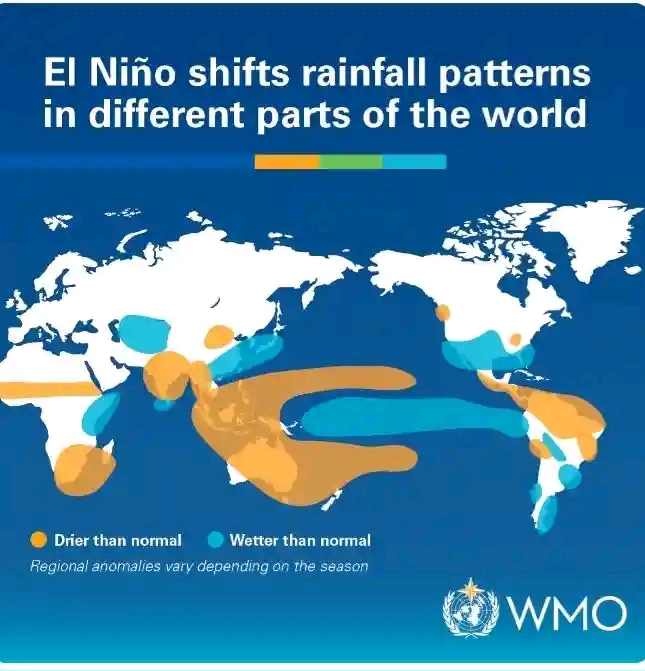
The phenomenon is the warm phase of the El Niño southern oscillation (Enso), a recurring climate pattern involving changes in ocean temperatures and atmospheric conditions over the tropical Pacific Ocean, which forecasters say is unprecedented.
Meteorologists and disaster management experts say El Niño — coupled with global warming — threatens to drive up food prices next year, and the government should be prepared for associated health, social and political consequences.
The SACC hosted a webinar on migration and El Niño last week as part of its commitment to climate justice and care for creation and to educate and warn member churches.
“People facing hunger will seek places where they believe food is available, with South Africa a likely destination,” said Molo. “This could strain resources and community relationships. Our view is that El Niño is going to reflect in the fluctuation of many extremes from heat to floods.”
He added that the phenomenon would affect spaces where there might be droughts, including the Southern Africa region.
Molo said people from Mozambique, Zimbabwe and Malawi who were vulnerable to drought would be driven by desperation to migrate to South Africa for jobs and food.
“That is going to possibly raise again the tensions that exist in society, as we have seen with the recent Constitutional Court judgment where anxiety and anger are raised among South Africans who believe the issue of migration is not handled well.”
He said this would put a strain on resources, infrastructure and relationships.
The SACC called on churches to prepare their congregations and communities by creating food banks, growing food that could sustain families for longer, avoiding food waste and buying food that lasts.
He said the SACC was willing to work with organisations and the government to create a co-ordinated response to ensure people were best prepared.
“We continue to expect the worst but pray for a manageable system,” Molo said.
Weather experts say that though below-normal rainfall is statistically the most likely outcome this summer, not every El Niño event is associated with drought.
The very strong El Niño of 1997/98 was associated with slightly above-normal rainfall over parts of South Africa’s summer rainfall region.
University of Pretoria meteorologist Prof Willem Landman said two things stood out: how early the strong El Niño signal emerged and how rapidly the event intensified. – Times