

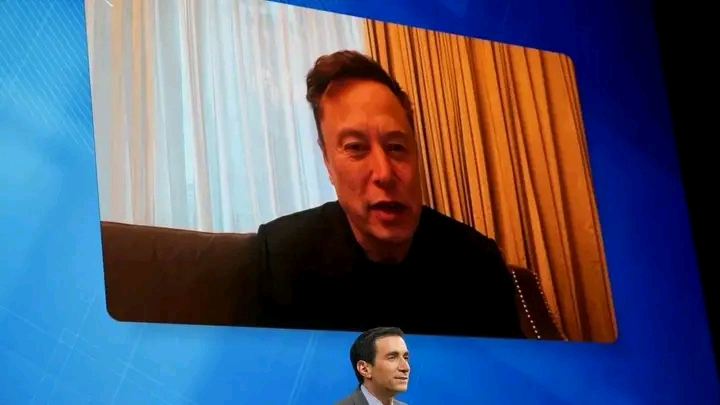
ELON MUSK RESPONDS WITH ONE WORD AFTER CLAIM THAT SOUTH AFRICA WANTED 30% OWNERSHIP IN HIS STARLINK BUSINESS: “TRUE”
Elon Musk has reignited the debate surrounding Starlink’s efforts to enter the South African market after responding to a claim on X about the country’s 30% telecommunications ownership requirement.
On 17 November 2026, an X user posted that South Africa had wanted Musk to give up 30% of his company before allowing him to invest in the country. Musk responded with one word: “True.”
The response has attracted attention because the dispute over Starlink’s entry into South Africa has centred on local ownership and Black Economic Empowerment requirements.
US Ambassador to South Africa Leo Brent Bozell has also spoken publicly about the disagreement. According to Bozell, Musk had offered to provide free high-speed internet to thousands of rural schools, but the ownership issue became a major obstacle.
Bozell attributed the following words to Musk when describing the discussions:
“I’m not going to give you my company.”
He also recounted Musk’s response as:
“Go pound sand. I’ll go in every other planned country on planet Earth.”
These are words reported by the ambassador, not a direct recording or statement from Musk.
There is also an important legal distinction: South Africa’s 30% requirement concerns ownership by historically disadvantaged groups in an individual local telecommunications licence holder. It does not automatically mean that the government demanded 30% of SpaceX’s entire global business.
SpaceX has previously proposed an alternative arrangement through an equity-equivalent investment programme, including plans to connect 5,000 mainly rural schools to high-speed internet.
The disagreement has raised wider questions about transformation policies, foreign investment and whether South Africa risks losing major technology investments because of its licensing requirements.
Do you think South Africa should maintain the 30% ownership requirement, or should companies like Starlink be allowed to meet transformation targets through investment in schools, infrastructure and communities instead?