

🇿🇲 EDITOR’S NOTE | Emotional Intelligence Has No Party
Politics often reveals an uncomfortable truth. Standards are easiest to apply to our opponents and hardest to apply to those we support.
That is why consistency remains one of the most valuable currencies in public life.
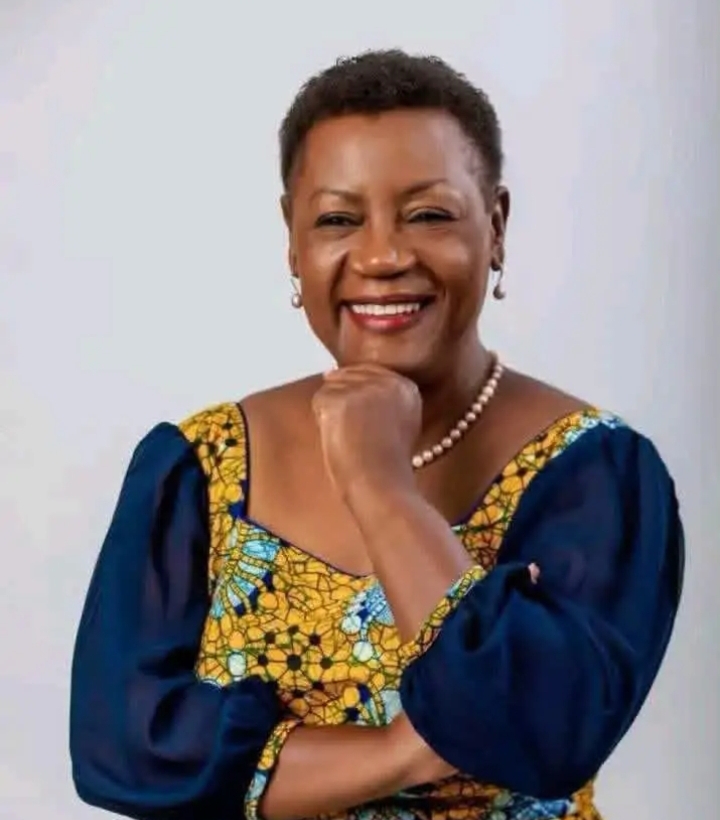
Yesterday, New Heritage Party president Chishala Kateka published a commentary arguing that President Hakainde Hichilema lacks the emotional intelligence expected of a Head of State. Whether one agrees with her assessment or not is almost secondary. She raises an important question about presidential temperament, judgment and self-control. Those are legitimate issues in any democracy because the presidency demands more than popularity. It demands restraint.
The question, however, is whether the same standard is being applied across the political spectrum.
Over the past week alone, NRPUP presidential candidate Brian Mundubile has made a series of statements that have generated equally important questions about presidential judgment. He told Copperbelt youths they would return to the Kikonge and Mufumbwe gold fields and that “no soldier will point a gun” at them.
Those remarks immediately triggered concern in North-Western Province, where communities are asking why access to their mineral resources is being promised to people campaigning hundreds of kilometres away. They also reopened debate about the January military operation that dismantled illegal mining networks in Kikonge after security agencies linked the area to armed syndicates, foreign interests and illicit mineral trading routes.
Mr Mundubile has also urged farmers to delay selling maize to the Food Reserve Agency, promising that his administration would purchase maize at K500 per 50-kilogramme bag instead of the current FRA price of K347. For many farming households, maize is not a campaign slogan. It is income. Advising farmers to postpone sales during an active marketing season raises practical questions about risk, cash flow and certainty. If the election produces a different outcome, who carries that loss?
His campaign has also warned mining investors against allegedly influencing the election outcome, citing information not yet publicly substantiated. During another rally in Chitambo, campaign speakers played videos of former President Edgar Lungu, whose funeral has not yet taken place, while telling supporters that failure to vote for the alliance would prevent his burial. The remarks attracted criticism from church leaders and many citizens who viewed grief as a national moment deserving dignity rather than electoral mobilisation.
None of these examples prove a candidate is unfit for office.
They do, however, invite the same examination of temperament, judgment and emotional discipline that Ms Kateka expects from President Hichilema.
Leadership is not tested when the cameras are off. It is tested on campaign platforms, in moments of pressure and in the promises made to cheering crowds. It is measured by the ability to persuade without inflaming, to inspire without dividing and to offer hope without undermining public institutions.
Zambia’s democracy deserves equal standards. If emotional intelligence matters in the Presidency, it matters regardless of party colour, political history or electoral advantage. It cannot become a principle invoked only when it is convenient.
The People’s Brief has no interest in protecting politicians from scrutiny. Our responsibility is to insist that scrutiny is applied fairly. We will question the President when his words deserve questioning. We will ask the same questions of those seeking to replace him.
That is not neutrality for its own sake.
© The People’s Brief | Editor