

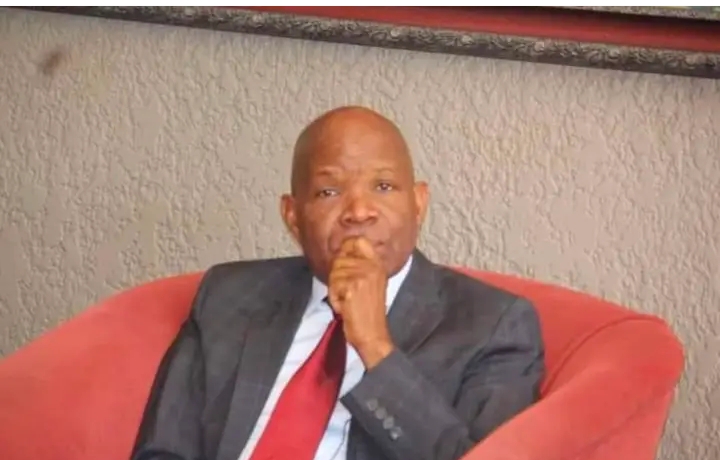
Socialist Party President Dr. Fred M’membe has warned that Zambians may end up regretting their choice if they vote for either the United Party for National Development UPND or the Tonse Alliance groupings in the upcoming General Election.
M’membe argues that both formations have already had enough time to show how they govern and what they stand for.
According to him, their record in leadership and how they have handled national affairs is already public knowledge.
Speaking during an interview with a local publication, M’membe said people should not expect anything different if one of them is given another mandate, because the signs of what is to come are already visible.
He went on to say that dissatisfaction would set in quickly after the elections if voters settle for either of the two camps.
In his view, the problems people are facing right now would not be resolved, and in some cases could even get worse, because the approach and priorities of both the UPND and the Tonse Alliance have already been tested.
Dr. M’membe urged citizens to take time to look beyond party colors and slogans before they go to the polls. He said the focus should be on policies, actions, and the practical results that parties have delivered over time.
To him, elections should not be about popularity or who is shouting the loudest, but about who has a clear plan to deal with the real issues affecting households, such as the cost of living, jobs, service delivery, and economic management.
He stressed that Zambia needs to start considering other options that have not been given a chance to lead. He positioned the Socialist Party as one of those alternatives, saying the country cannot keep recycling the same faces and expecting a different outcome.
He believes that voters have a responsibility to hold leaders accountable by demanding better ideas and by being willing to try new leadership when the current options have failed to meet expectations.
According to Dr. M’membe, the electorate often makes decisions based on emotions, tribal considerations, or short-term handouts, and that is why the country keeps going in circles.
He said if people took a more serious approach and judged parties by what they have done and what they are promising to do differently, then Zambia would have a better chance of moving forward.
He also pointed out that both the ruling party and the main opposition have been part of government or close to power in different ways, and therefore they cannot claim to be completely new.
Because of that, he argued, Zambians already know what kind of leadership they would get if either side wins. He said the only way to break the cycle is to look for political parties that are offering fresh thinking and that are not tied to the same old practices.
Dr. M’membe concluded by calling on voters to be deliberate and critical in the months leading to the election.
He said the decision made in 2026 will determine the direction of the country for the next five years, and a mistake now would be costly to correct later. He encouraged citizens to attend rallies, read manifestos, ask tough questions, and compare track records instead of just following the crowd.
In his view, the election should be treated as an opportunity to reset, not just to choose between two familiar options.
He believes that if Zambians reflect carefully and consider alternatives, they can elect a government that is more responsive to the needs of ordinary people and more committed to tackling poverty and inequality.
No ba Mmembe. We will actually regret most if we vote for you next month.