

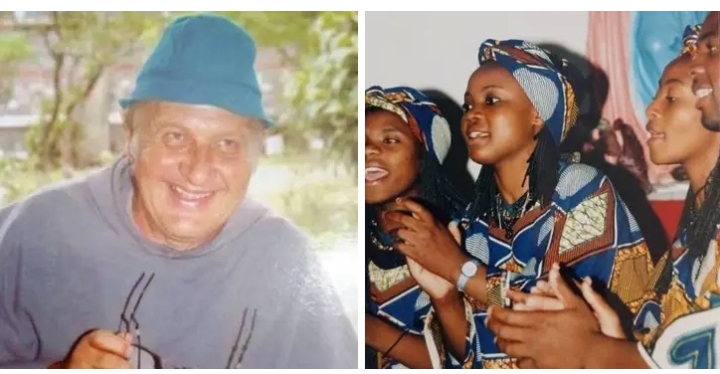
From Europe tours to empty stages
…rise, fall and lonely legacy of Ba Icengelo
By DAVID KANDUZA
ONCE Zambia’s globe-trotting gospel group Ba Icengelo, the iconic group’s survivors
reveal the romance, riches and the tragic losses that silenced a legendary Zambian youth gospel group from Ndola on the Copperbelt.
Known for bringing a massive vibrant energy to gospel ministry with their distinct, upbeat Bemba melodies and traditional rhythmic styling, they dominated the local gospel scene for years
Founded by the late Father Miha Drevensek, the legendary Mission Press director, the gospel group hit dizzying heights in the late 1990s and early 2000s.
As the visionary director of Mission Press in Ndola, Father Miha wasn’t just a regular religious figure—he was a massive social and cultural catalyst on the Copperbelt.
Utilising his deep-running European networks and Catholic Church connections, Father Miha managed to pull off what few Zambian gospel outfits could dream of, securing multi-year European visas and fully funded performance tours.
At the absolute peak of their demand, the Catholic singing group didn’t just play a handful of shows.
They relocated to Europe—primarily operating out of Italy-for grueling but highly lucrative tours that lasted up more than a year.
While audiences were captivated by the group’s tight Bemba vocal harmonies, some private drama was unfolding within the ranks.
Some group members however, took the bold initiative to romance and win over the group’s prized singers.
Their matchmaking succeeded and some singers married, establishing themselves as the band’s central power couple.
Unfortunately, the pressure of stardom, constant travel and domestic strain ultimately fractured their relationships.
During the late 1990s and early 2000s, local Zambian musicians rarely made substantial profits.
Ba Icengelo was a massive exception.
Thanks to Father Miha’s management style, the group was paid handsomely in foreign currency.
Upon touching down in Zambia, the members received huge lump-sum payouts.
Developed under the wings of the Catholic media landscape, the group’s journey moved from local parish spaces directly onto international stages.
The deeper layers of some revelations highlight how the band operated, the mechanics of their tours and the dark turns that brought them to an end.
Father Miha used his international connections to launch the group into Europe.
They toured Italy and neighbouring nations, sometimes staying overseas for up to one year at a time.
“Upon arrival in Zambia, the group was paid handsomely,” a former Group member recalls.
They immediately invested their wealth into real estate, securing the financial future through home properties.
But the spotlight eventually faded, replaced by personal heartbreak.
Worse, tragedy struck the ensemble.
Singer’s deepest heartbreak came when death robbed them of some core members of the group.
Today, bringing back the original Ba Icengelo is impossible.
Father Miha and most of the original choir members are deceased.
Yet, some former members refuse to let the music die entirely.
“It would be wonderful to fuse in new members,” they suggested, hoping to resurrect the band’s spirit and bring their most memorable songs back to the stage one last time.
The ultimate downfall of Ba Icengelo wasn’t a lack of fans, but the literal loss of its members.
The collapse of the group happened through two main compounding factors: out of all their hardships and deaths.
Reviving the original classic lineup is entirely impossible.
But former members of the group are here today and stand as custodian of the Ba Icengelo legacy.
While the original group is gone, they strongly advocate for a resurrection strategy: fusing in fresh, young vocal talent.
By blending a new generation of vocalists with their personal experience, they believe success could bring back their iconic, memorable songs to contemporary Zambian live stages.
The story of the Ba Icengelo music outfit is a complex tale of explosive musical success, life-altering wealth, hidden romance and staggering grief.
There is nothing in this world that does not come to an end, only the word of God. The earlier people realise that the better.