

Amidst the regime’s noise, the truth remains a haunting whisper.
The formal gazetting of the Constitutional Amendment (No. 3) Bill marks a dark turning point in Zimbabwe’s democratic journey – or what remains of it.
If you value my social justice advocacy and writing, please consider a financial contribution to keep it going. Contact me on WhatsApp: +263 715 667 700 or Email: mbofana.tendairuben73@gmail.com
By initiating a process to extend the presidential term from five to seven years and, perhaps more sinisterly, removing the right of citizens to directly elect their leader in favor of selection by Parliament, the authorities have sent a clear message: the survival of the elite is more important than the survival of the nation.
We are told this is about “stability and continuity” and giving the President enough time to “finish his program.”
Let us be blunt: this is a transparent, desperate facade designed to mask an abysmal and unmitigated failure of governance.
The suggestion that Zimbabweans are suffering because a five-year term is “too short” is not just a political lie; it is an insult to the millions of citizens currently drowning in a sea of poverty and deprivation.
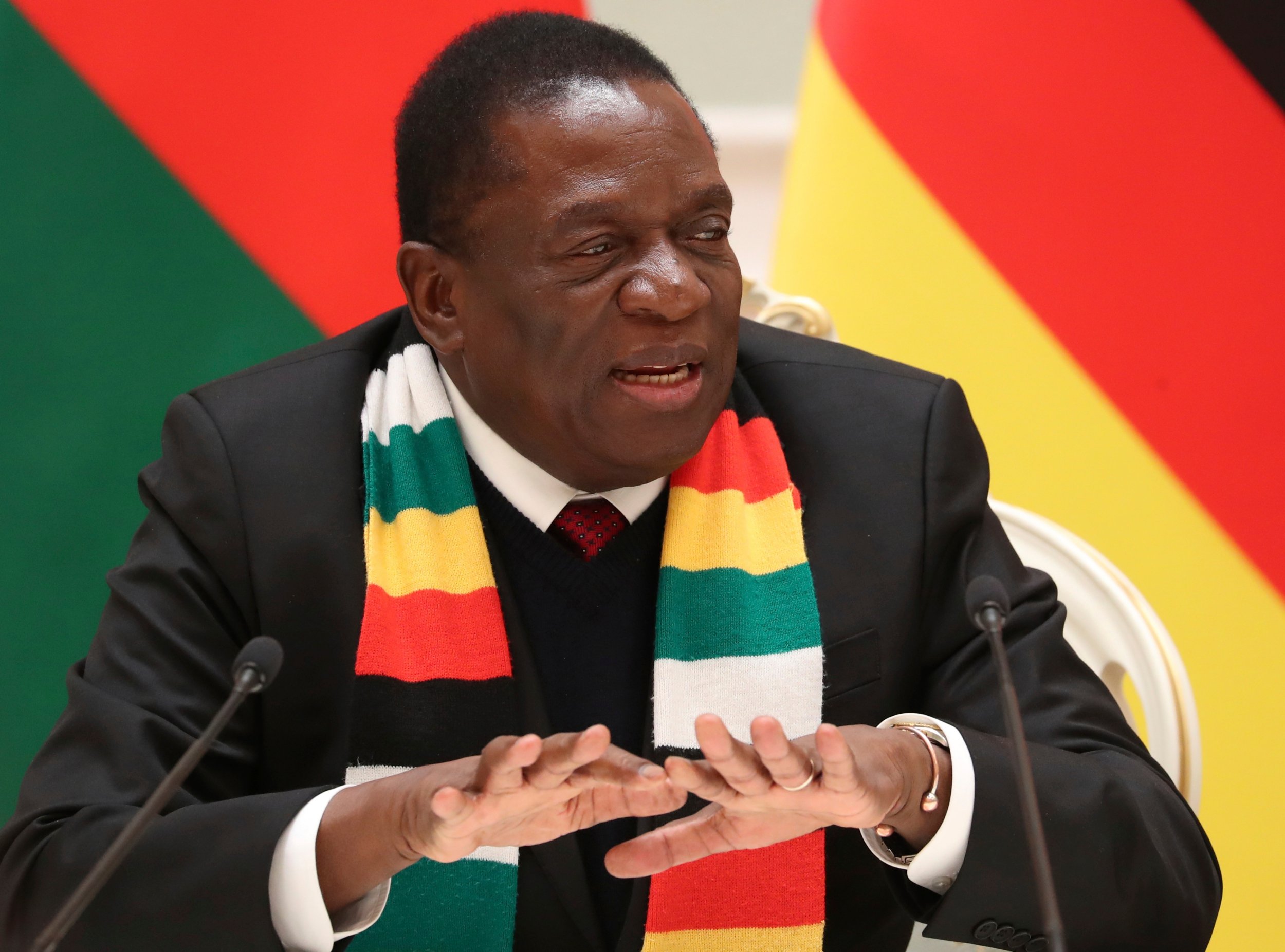
In reality, the 2030 Agenda – the push for President Emmerson Mnangagwa to remain in power beyond the constitutional 2028 limit – is nothing more than a sentence for the continued suffering of the Zimbabwean people.
The 2030 Agenda means the continuity of poverty.
It is the continuation of a status quo where nearly 80% of our population languishes in poverty, with over 40% trapped in the soul-crushing depths of extreme poverty.
These are not just statistics; they are human beings – mothers who cannot afford to feed their children and fathers who have forgotten what it feels like to provide.
According to recent World Bank data, since the promise of a “New Dispensation” in 2017, food poverty alone has jumped from 30% to nearly 40%.
If a leader cannot significantly develop a country and lift the majority of its citizens out of poverty in eleven years, what miracle does he expect to perform in thirteen?
If the foundation hasn’t been laid in a decade, two more years will only serve to deepen the cracks.
To expect a sudden windfall of prosperity between 2028 and 2030 is not just optimistic; it is foolhardy.
This agenda will mean the continuity of thousands of Zimbabweans needlessly losing their lives in our public hospitals.
They are not dying because the President wasn’t given seven years; they are dying because our theaters lack basic sutures, our pharmacies are empty of essential drugs, and our medical staff are demoralized and underpaid.
The “2030” banner serves as a shroud over a healthcare system where the money meant for life-saving equipment is diverted to fund the lavish lifestyles of a well-connected few.
It means more years of pregnant women being asked to bring their own buckets of water to give birth, and more years of preventable diseases claiming our elderly because the state prioritizes power over pulses.
Furthermore, it will mean the continuity of a decimated education system.
We are witnessing the destruction of our youth’s future before it even begins.
Schools without adequate learning materials, rural classrooms that are hollow shells where children sit on cold floors, and a curriculum that lacks the resources to prepare students for a modern economy.
This neglect feeds a vicious cycle; as the economy fails, the girl child faces the brunt of this collapse through a rise in underage pregnancies and early marriages, driven by desperation and a lack of institutional support.
The “continuity” promised by the ruling elite is, for the Zimbabwean youth, the continuity of a dead-end street.
In our urban areas, the 2030 Agenda translates to years more of dry taps and potholed roads.
Most local authority management is protected by the ruling elite, ensuring that accountability is a foreign concept.
While the government boasts of “infrastructure-led development,” the reality for the ordinary citizen is navigating craters on the road and carrying containers for kilometers to find water.
This systemic failure is compounded by the “continuity” of Chinese investors who, shielded by high-level political patronage, frequently treat Zimbabweans as second-class citizens in their own country – displacing communities and flouting labor laws with impunity.
But most painful of all, the 2030 Agenda will mean the continuity of state-sanctioned corruption and the looting of national resources.
Zimbabwe remains one of the most corrupt countries in the world, with a 2025 Corruption Perception Index (CPI) score of 22 out of 100.
This stagnant score is an indictment of the “New Dispensation,” proving that the only thing that changed since 2017 were the faces of the looters.
The country continues to lose billions of dollars each year due to shady tenders, mineral smuggling, illicit financial flows, and the dubious disposal of state assets.
This rampant corruption, particularly at the top, is the primary reason why Zimbabweans have never benefited from the vast resources our land holds.
The administration may point to glowing GDP figures, but as long as that growth only lines the pockets of those at the apex of power, these numbers are hollow.
The disconnect between “macroeconomic stability” and the empty pots in the kitchens of Binga or Rutenga is a chasm that no amount of state propaganda can bridge.
The real reason for these constitutional amendments is not development; it is protection.
By extending terms and removing the direct vote, the elite are building a fortress to ensure they can continue to loot without the “inconvenience” of being held accountable by the citizens.
Zimbabweans must stand together and make their voices heard loud and clear: we will not accept the continuity of this administration beyond 2028.
We deserve a renewal of leadership.
We deserve new ideas and a fresh start where we can finally enjoy a life worthy of the citizens of a resource-rich nation.
If eleven years of power have only brought more poverty, more death in our hospitals, and more corruption, then more time is not the solution – it is the threat.
We must demand a future that belongs to the people, not a 2030 Agenda that only serves the survival of a failing regime.
© Tendai Ruben Mbofana is a social justice advocate and writer. To directly receive his articles please join his WhatsApp Channel on: https://whatsapp.com/channel/0029VaqprWCIyPtRnKpkHe08
Source – Tendai Ruben Mbofana