

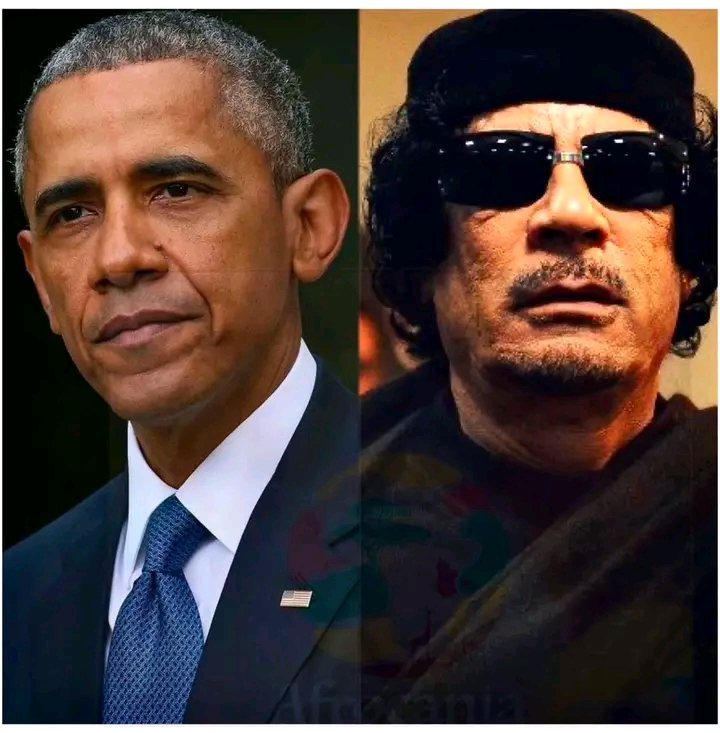
“IF I COULD GO BACK, LIBYA IS ONE DECISION I WOULD ASK MYSELF TO RECONSIDER.”
The aftermath of the 2011 intervention in Libya would remain one of the deepest regrets of my presidency.
At the time, our actions were justified by the circumstances before us. Muammar Gaddafi’s decades-long rule had come to an end, and we believed we were helping protect innocent lives.
But history does not judge a decision only by how it begins. It also judges what comes after.
And that is where we failed.
We helped remove a government, but we did not do enough to build a stable path forward for the Libyan people. We underestimated the vacuum that would follow, the militias that would rise, the political divisions that would deepen, and the institutions that would weaken.
Sometimes I look at Libya and wonder: How did we convince ourselves that removing one man was enough to secure the future of an entire nation?
And as an African American, there is another question that weighs heavily on me:
How could we intervene so decisively in the affairs of a fellow African nation, yet fail to carry the same urgency into rebuilding what was left behind?
I was president of the United States. I had a responsibility to protect American interests and respond to the demands of our allies. But leadership is not simply about satisfying the people who elected you or the governments standing beside you.
Leadership is also about having the courage to ask what your decisions will mean for people who will never get a seat at your table.
Libya has paid a terrible price for the failures that followed.
Political chaos. Militia violence. Displaced families. Weakened institutions. A nation struggling for years to find its footing.
I cannot change what happened.
But if there is one lesson I would leave behind, it is this:
Before you destroy the old order, you must have the humility, the patience and the responsibility to build something better in its place.
-Barrack Obama shares regrets on Gadafi and Libya
#Afrocania