

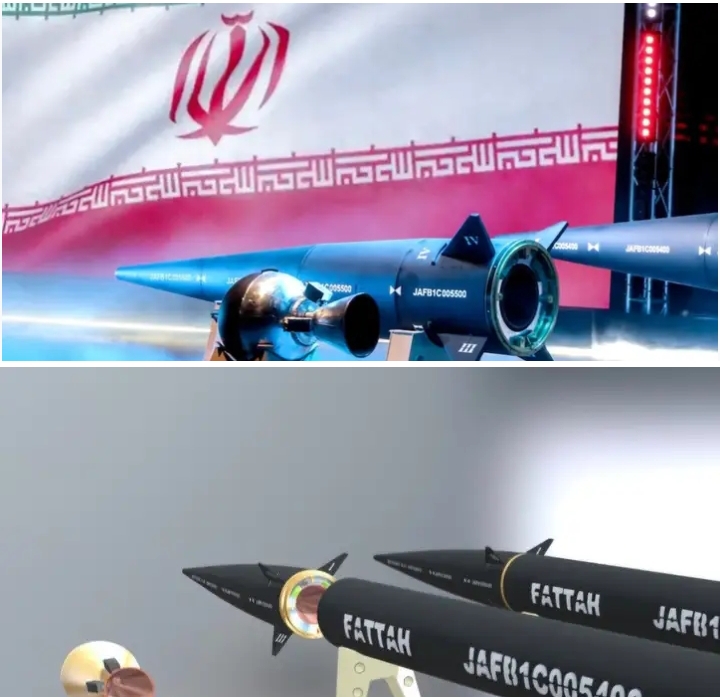
Iran Develops New Missile Technology Designed to Make Interception Harder
Iran is accelerating development of a new generation of ballistic missiles, focusing on higher terminal-phase speed and greater maneuverability to make interception more difficult for U.S. and Israeli missile-defense systems.
Recent Iranian reporting has highlighted missile configurations combining different booster and warhead technologies, while other assessments point to improvements allowing some missiles to maneuver or change trajectory during the final phase of flight.
The objective is not simply to increase destructive power, but to raise the cost and difficulty of interception. Faster and more maneuverable missiles can force systems such as Patriot, THAAD and Israel’s Arrow to react within shorter time windows and potentially require more sophisticated interceptors.
The economic dimension is becoming increasingly important. Iranian ballistic missiles are generally cheaper to produce than the advanced interceptors used to stop them, while U.S. and allied forces have faced growing pressure to replenish missile-defense stocks after sustained combat operations. The Pentagon has recently pushed defense companies to accelerate production of Patriot and THAAD-related munitions.
Iran’s emerging strategy is therefore shifting from simply firing more missiles to making each incoming missile more difficult — and more expensive — to defeat.
If the development continues, the contest between Tehran and Washington–Tel Aviv could increasingly become a war of cost, inventory and endurance: Iran seeks cheaper and harder-to-intercept weapons, while the United States and Israel must invest increasingly expensive resources to maintain the defensive shield.