

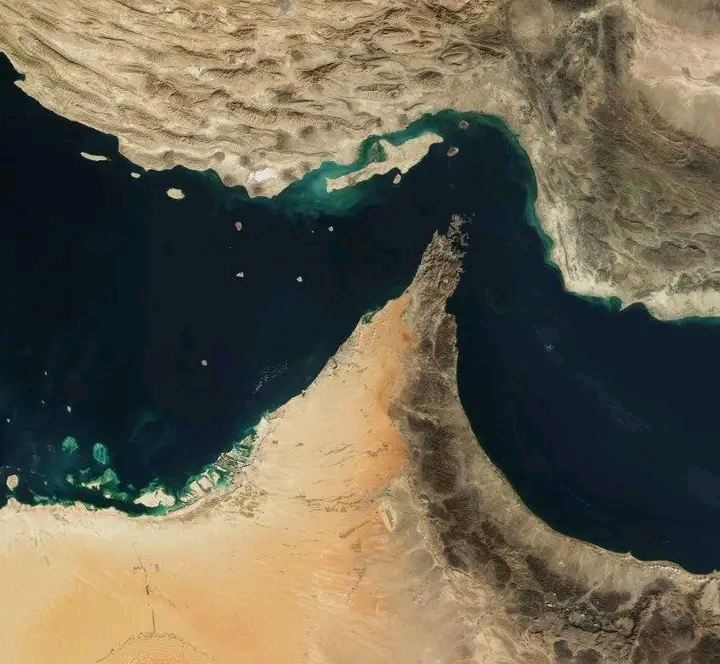
IRAN KEEPS STRAIT OF HORMUZ CLOSED AND SETS CONDITIONS FOR THE UNITED STATES
Iran has reportedly declared that the Strait of Hormuz will remain closed until the United States changes its approach toward Tehran.
The announcement was attributed to Mohammad Bagher Zolghadr, a senior Iranian security official, with the position reportedly backed by Iran’s Supreme National Security Council and the Islamic Revolutionary Guard Corps.
Tehran’s Six Conditions
Iran is demanding six measures from Washington before considering reopening the strategic waterway:
1️⃣ End threats against Iran Washington must stop threats and intimidation directed at Iran and its leadership.
2️⃣ End hostilities Iran demands an end to military operations against Iran and its allies in Lebanon, Palestine, Yemen and Iraq.
3️⃣ Lift the blockade and withdraw forces Tehran wants the alleged U.S. naval blockade ended and American air and maritime forces withdrawn from the region.
4️⃣ Financial compensation Iran is demanding compensation for damages it says were caused by the conflicts.
5️⃣ Lift sanctions Tehran wants sanctions it considers unlawful to be removed.
6️⃣ Unfreeze Iranian assets Iran is demanding the unconditional return of Iranian funds and assets held abroad.
WHY IT MATTERS
The Strait of Hormuz is one of the world’s most important energy chokepoints, carrying a significant share of global oil and liquefied natural gas shipments.
A prolonged closure could therefore put substantial pressure on global energy markets, shipping and insurance costs.
Meanwhile, Iran is reportedly holding parallel discussions with Oman over possible temporary transit arrangements, while insisting that the United States has no authority over Iran’s sovereignty in the strategic waterway.
⚠️ With Tehran linking the reopening of Hormuz to military, political and financial concessions from Washington, the dispute risks becoming both a major geopolitical crisis and a global energy shock.
Source: Iran’s Supreme National Security Council / statements attributed to Mohammad Bagher Zolghadr