

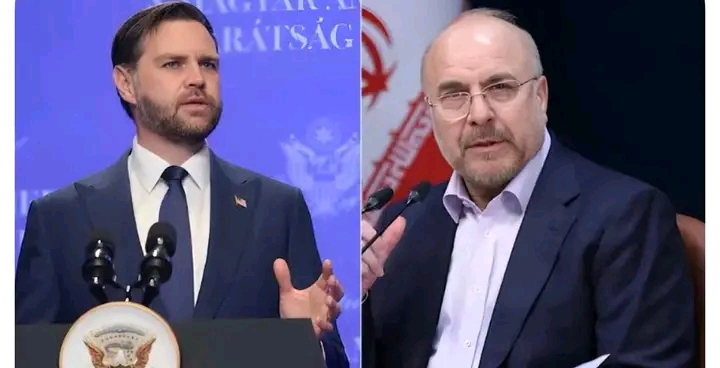
Sharp disagreements among members of Iran’s negotiating team led them to abandon US talks in Islamabad and return to Tehran on April 11 following an order from Iran’s top security official, sources familiar with the deliberations told Iran International.
The sources said that during Friday’s negotiations with the United States, Foreign Minister Abbas Araghchi showed signs of flexibility in some of his positions, particularly regarding reducing or halting financial and military support for the so-called Axis of Resistance, including Lebanon’s Hezbollah.
According to the sources, this approach drew a strong reaction from Mohammad Bagher Zolghadr, the Secretary of the Supreme National Security Council, in Tehran.
The sources said Zolghadr, who was briefed on the talks, submitted a report to the leadership and senior IRGC commanders, which fueled anger at the highest levels. The report reportedly cited “deviation from the delegation’s mandate” and engagement in discussions beyond the leadership’s directives.
Following consultations at the leadership level, and with the involvement of Hossein Taeb, an advisor to the supreme leader, an order was issued on Saturday afternoon for the delegation’s immediate return to Tehran, the sources said.
Reports of similar internal rifts had surfaced earlier. On March 28, accounts emerged of serious disagreements between President Masoud Pezeshkian and IRGC Chief-Commander Ahmad Vahidi.
Informed sources told Iran International that the rifts stemmed from disagreements over the conduct of the war and its impact on livelihoods and the wider economy.
Three days later, reports indicated Pezeshkian was dissatisfied with being in a “complete political deadlock” and had even lost authority over appointing officials killed during the war.
According to those reports, Vahidi had said that due to wartime conditions, all key managerial positions should be directly controlled by the IRGC until further notice.
Despite the diverse composition of Iran’s negotiating delegation in Islamabad, reports suggest representatives aligned with the IRGC held significant influence.
Iran’s insistence on continuing its nuclear program and maintaining control over the Strait of Hormuz ultimately contributed to the failure of the Islamabad talks, according to reports.
Following the breakdown, the United States announced a naval blockade targeting Iran’s southern ports, with US Central Command saying from Monday morning it would prevent ships from entering or leaving Iranian ports. The blockade was implemented as scheduled.
Despite the failure of the first round of talks, Pakistan said on Monday that consultations with both sides were ongoing and another round of talks remained possible.
US President Donald Trump also told the New York Post on Tuesday that talks with Iran “could resume within two days” in Pakistan.
Sources had earlier told Reuters that despite the apparent deadlock, diplomatic channels remain open, with an Iranian embassy official in Pakistan saying the next round of talks could take place later this week or early next week.