

Iran Reacts to Turkey Pakistan Saudi Arabia Joint Defense Pact
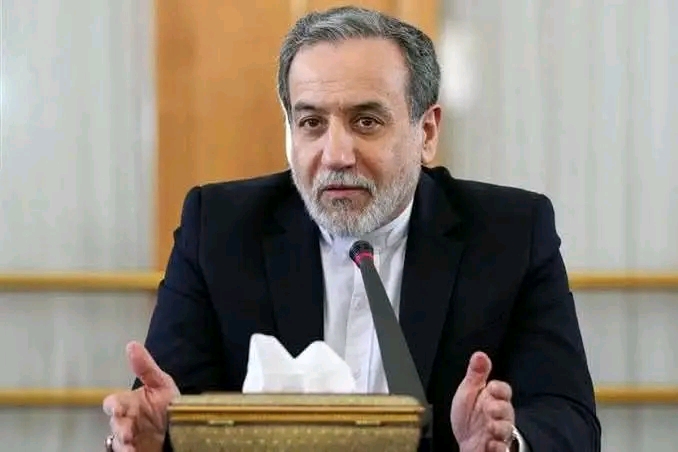
Iran’s Foreign Minister Abbas Araghchi has reacted to the new joint defense agreement between Turkey, Pakistan and Saudi Arabia, portraying closer cooperation among Muslim-majority countries as a potential source of greater strategic power.
Araghchi said Iran had already demonstrated that it could resist and confront the military force of the world’s highest-spending defense power on its own, apparently referring to the United States and its military capabilities.
He argued that greater unity among Muslim countries could create a much broader collective capacity to deter or confront external threats.
“When Muslims stand together, we can directly confront every challenge brought by malicious outsiders.”
Araghchi also called for greater self-reliance and stronger solidarity among Muslim states, saying:
“The time has come for us to rely only on ourselves and to embrace genuine brotherhood.”
His remarks come as Turkey, Pakistan and Saudi Arabia move toward closer defense cooperation, a development that could have significant implications for the wider Middle East and South Asia.
The emerging partnership brings together three major Muslim-majority states with significant military, economic and geopolitical influence. Pakistan possesses nuclear weapons, Turkey has one of NATO’s largest militaries and a rapidly expanding defense industry, while Saudi Arabia is one of the region’s biggest military spenders.
For Tehran, the agreement could represent either an opportunity for broader Muslim security cooperation or a potential strategic challenge, depending on how the new defense commitments are implemented.
Araghchi’s comments appear intended to emphasize Iran’s preference for regional self-reliance and cooperation among Muslim countries, particularly at a time of heightened tensions between Iran, Israel and the United States.
The key question now is whether the Turkey Pakistan Saudi agreement will develop into a formal collective-security framework with concrete military obligations, or remain primarily a political and strategic partnership.