

Iran Warns US, Israel and Gulf States as Fattah Hypersonic Missile Raises Stakes of Renewed War
Iran has warned the United States, Israel and Gulf Arab states that any renewed military campaign could trigger a far wider confrontation, as Tehran’s ballistic missile capabilities add to fears of another regional war.
Iranian officials have threatened retaliation against US-linked military and economic infrastructure across the Gulf if Washington and Israel launch fresh strikes. Potential targets cited in recent warnings include energy facilities, data centres, artificial intelligence infrastructure and undersea communications cables
The warnings have renewed attention on Iran’s Fattah missile family, which Tehran describes as hypersonic weapons capable of manoeuvring at extreme speeds. Iran unveiled the Fattah in 2023, claiming a range of approximately 1,400 kilometres and speeds of up to Mach 15. The Fattah-2 was unveiled later that year, with Iranian officials highlighting its manoeuvrable flight profile.
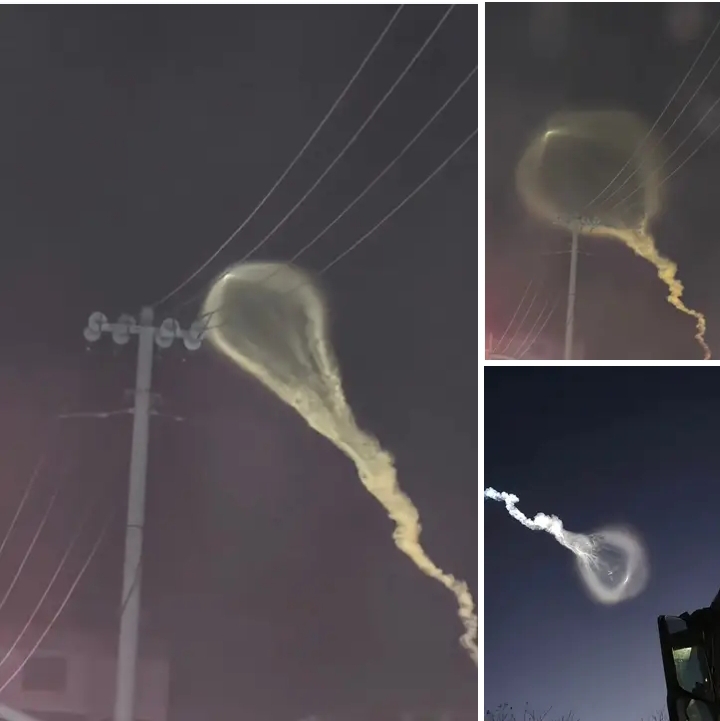
Unlike an intercontinental ballistic missile, the Fattah is generally classified as a regional-range ballistic missile. Its re-entry vehicle is designed to manoeuvre during flight, while rocket-stage separation and engine exhaust can produce unusual cloud patterns in the upper atmosphere. Such formations may resemble a jellyfish, but the appearance alone cannot establish which missile was launched or confirm its performance.
Iran’s claims about the Fattah’s ability to evade advanced missile defences remain disputed, and its advertised capabilities have not been independently verified in full. Nevertheless, the missile programme forms part of Tehran’s broader effort to strengthen deterrence and raise the potential cost of another US-Israeli attack
With Washington weighing its options and regional governments warning against escalation, the central question is whether missile threats will deter renewed strikes—or deepen the risk of a wider conflict across the Middle East.