

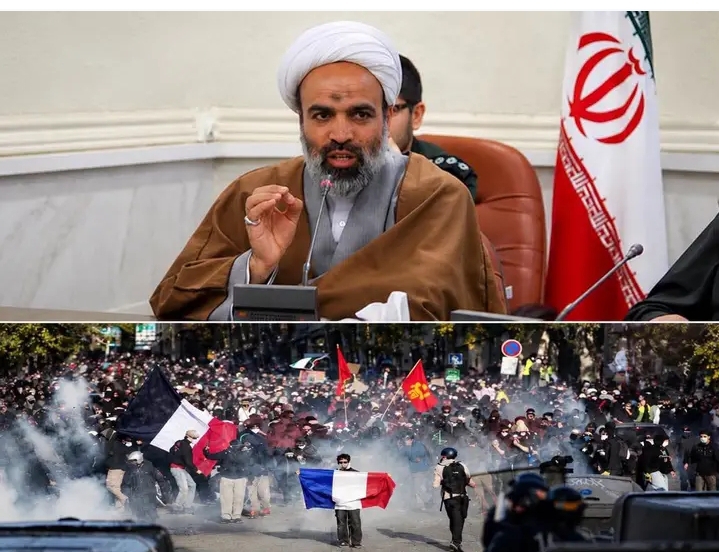
IRANIAN LAWMAKER CLAIMS PRO-IRANIAN OPERATIVES ARE PRESENT IN WESTERN COUNTRIES, CALLS FOR MORE AGGRESSIVE RETALIATION
Iranian parliament member Mohammadtaghi Naghdali has claimed that cities across Europe and the United States are home to individuals he described as potential foot soldiers willing to carry out retaliatory actions against Western and Israeli political leaders
According to Iran International, Naghdali made the remarks during a parliamentary debate in Tehran concerning Iran’s potential responses to its adversaries.
He reportedly argued that street protests and some of their organizers in Western and European countries could represent ideological assets for Iran, suggesting they might be willing to participate in retaliatory measures against American, European and Israeli leadership.
Naghdali also called on Iranian authorities to consider more aggressive responses to Western pressure, including exploring the possibility of acquiring nuclear weapons as a means of deterring potential threats.
Furthermore, he urged Tehran to consider withdrawing from the Nuclear Non-Proliferation Treaty (NPT), arguing that the agreement undermines Iran’s national interests and security. He also questioned the effectiveness of the international nuclear monitoring framework
His remarks raise broader questions about Iran’s potential influence operations abroad, the security of Western political institutions and the possibility of Tehran seeking to expand its strategic leverage amid escalating tensions with the United States and Israel.
IMPORTANT CLARIFICATION: These statements represent the personal views attributed to Mohammadtaghi Naghdali and should not be interpreted as an official declaration or confirmed policy of the Iranian government. His claims about individuals involved in protests and potential retaliatory activities have not been independently established.
KEY QUESTIONS:
1. Could Iran have any involvement in organizing, influencing or exploiting mass protests taking place across European countries?
2. Do Naghdali’s remarks suggest that Tehran views political unrest in Western countries as an opportunity to weaken governments opposed to Iran?
3. Could Iran be attempting to influence political developments or leadership changes in Israel and the United States, particularly following their recent election results?
4. Are these statements simply political rhetoric, or do they reflect a broader Iranian strategy for confronting Western pressure beyond the Middle East?