

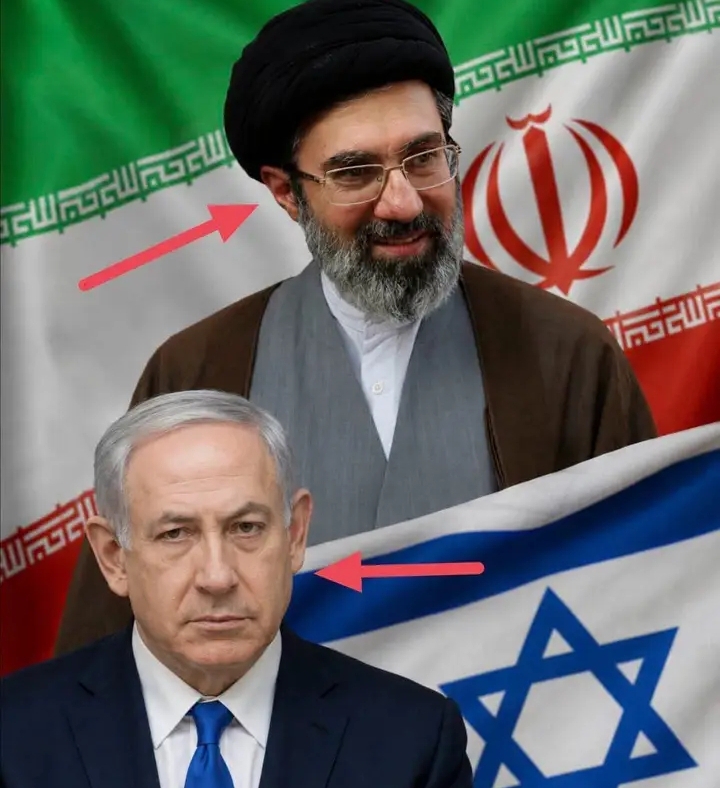
Israel Reportedly Weighs Another Attack on Iran But Major Obstacles Remain
Reports are circulating about possible Israeli preparations for another military strike against Iran, amid renewed speculation that Israel could seek to reopen the conflict.
However, several factors could make another major Israeli offensive extremely difficult at this stage.
According to the assessment, Israel may have the political desire to resume the war, particularly among elements of the Israeli right, but the military and strategic conditions are far less favorable than before.
First air-defense shortages.
Israel and its allies have reportedly faced pressure on their stocks of interceptors, particularly THAAD and Patriot missiles, raising concerns about the ability to sustain another prolonged exchange of ballistic-missile fire.
Second weaknesses in the regional defensive network.
Repeated attacks on U.S. military facilities in Jordan and elsewhere in the region have reportedly exposed vulnerabilities in the defensive architecture surrounding Israel. Jordan itself also faces constraints on its Patriot interceptor stocks.
Third damage to early-warning capabilities.
The conflict has reportedly affected radar, surveillance and early-warning infrastructure across parts of the Gulf and Jordan. Any reduction in these capabilities could shorten the warning time available to Israel ahead of Iranian missile launches.
Fourth Iran’s missile capabilities continue to evolve.
Iran has reportedly made significant advances in missile accuracy, guidance, navigation and survivability. Any improvement in these areas could make another Israeli campaign considerably more costly.
Fifth the Lebanon front remains a major concern.
A renewed war with Iran could risk destabilizing the situation in Lebanon and undermine existing arrangements. Israeli decision-makers may also be concerned about Iran once again linking its regional security strategy more closely to Lebanon.
Sixth Israeli public opinion.
After months of regional conflict, a significant part of Israeli society is increasingly focused on returning to normal life. Prolonging or reopening a direct confrontation with Iran could face growing domestic resistance, particularly if it means another wave of missile attacks and economic disruption.
The central question, therefore, is not simply whether Israel wants another confrontation with Iran, but whether it has the military resources, regional defensive infrastructure and domestic support required to sustain one.
For now, reports of Israeli preparations should be treated cautiously. Intentions and military preparations do not necessarily mean that a new war is imminent.