

Israel’s Election Could Shape Iran’s Next Move as Netanyahu Faces Political Uncertainty
Israel’s election outcome could have major implications for Iran, as Prime Minister Benjamin Netanyahu faces a tight contest that may leave the country without a clear governing majority.
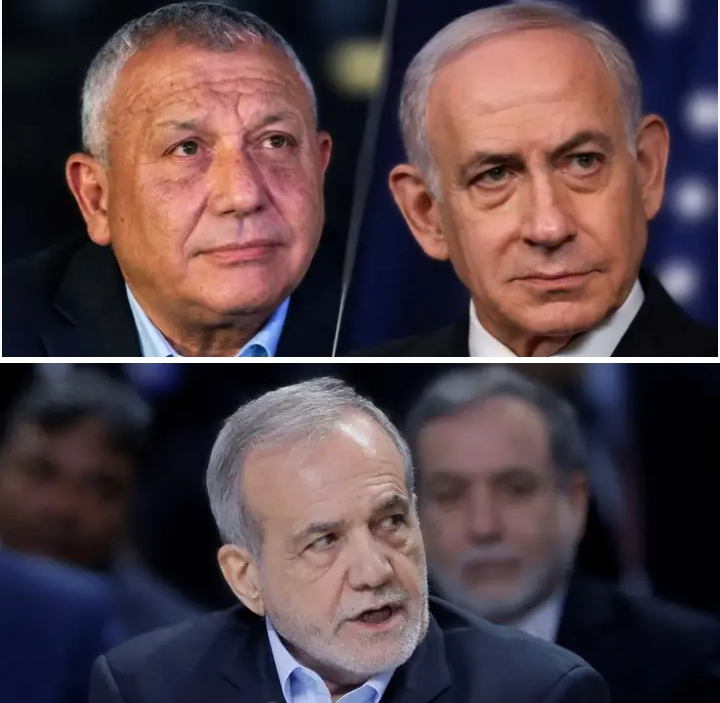
Exit polls indicate a political deadlock, with neither Netanyahu’s bloc nor the opposition led by Gadi Eisenkot securing a clear path to the 61 seats needed to form a government. Coalition negotiations could take weeks, prolonging uncertainty over Israel’s next steps.
For Tehran, a Netanyahu victory could mean continued pressure and the possibility of renewed military action. Netanyahu has repeatedly framed confronting Iran as a central national security priority and has called for eliminating what he describes as the Iranian threat.
However, an opposition-led government would not necessarily bring an end to the confrontation. Eisenkot, a former Israeli military chief, also takes a firm position on national security, and analysts say Israel’s broader strategy toward Iran is unlikely to change dramatically simply because its leadership changes.
The key question is whether Israel’s next government chooses to intensify military pressure or leave more room for diplomacy. Either way, Iran will remain a central factor in Israel’s security policy, while the risk of renewed conflict will depend on decisions made by both sides and the wider regional situation.
For now, the exit polls are not final results, and no change of government has been confirmed.