

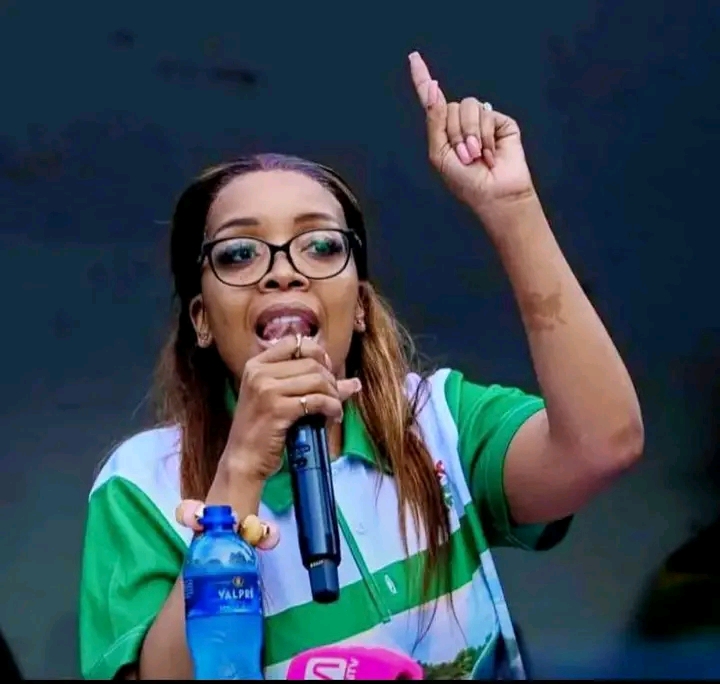
JACINTA NGOBESE-ZUMA BLAMES GOVERNMENT FOR FACEBOOK SUSPENSION AS MARCH AND MARCH RAISES POLITICAL INTERFERENCE CONCERNS FOLLOWING 2026 ELECTIONS
March and March Movement leader Jacinta Zinhle Ngobese-Zuma has raised concerns about the suspension of her Facebook account, with the movement linking the development to growing political tensions following the 2026 Local Government Elections.
The suspension has sparked a strong reaction from the organisation, which believes that its political activities and growing influence have made certain people in positions of power uncomfortable.
Ngobese-Zuma and the movement have suggested that the government and ruling political establishment could be behind the situation. They believe the timing of the suspension, particularly after the recent election results, raises serious questions.
According to reports, Facebook suspended her account on Friday, 6 November 2026, citing an alleged violation of its Community Standards relating to adult sexual solicitation.
She reportedly has 180 days to appeal the decision. If the appeal is unsuccessful, her account could face permanent removal.
March and March spokesperson Sandile Dube indicated that Ngobese-Zuma would continue communicating with supporters through the movement’s official Facebook page.
Supporters have also been warned about fake accounts using her name, with the organisation clarifying that she has not authorised alternative personal accounts.
The controversy comes as March and March continues to campaign on issues including illegal immigration, unemployment, economic challenges and gender-based violence.
The organisation has maintained that it will not abandon its political activities and intends to continue using peaceful demonstrations and other lawful means to push its demands.
However, it is important to distinguish between the movement’s allegations and established facts. There is currently no independently verified evidence that the South African government instructed Facebook to suspend Ngobese-Zuma’s account. Facebook’s stated reason concerns an alleged breach of its platform rules.
The incident has now raised wider questions about political expression, social media accountability and whether prominent political figures receive fair treatment on digital platforms.