

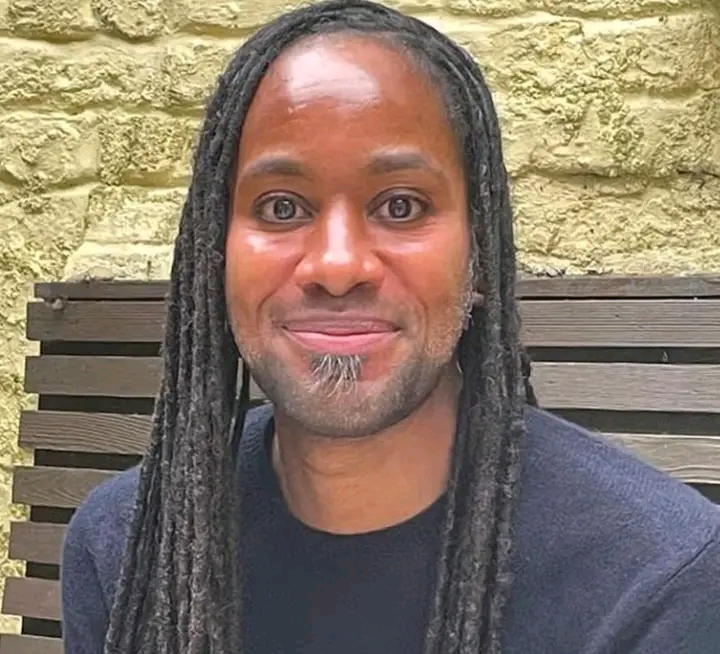
Jason Arday’s death has reopened a much bigger conversation about race, merit and power in British society and academia.
The plagiarism questions surrounding the former Cambridge professor were legitimate and deserved scrutiny. But so too do the ideas of Nathan Cofnas, one of the academics who helped propel the allegations against Arday into the public spotlight.
Cofnas has publicly argued that, in what he considers a genuinely meritocratic system, the number of Black professors at institutions such as Harvard would “approach 0%”. His wider writings link racial disparities partly to inherited differences in intelligence and defend what he describes as “race realism”.
That raises an uncomfortable question: if almost no Black people would supposedly reach the highest levels of academia on merit, what exactly is being said about Black intellectual ability?
And history makes that question impossible to treat casually. From David Hume to later European thinkers who portrayed Africans as naturally inferior or intellectually deficient, claims about racial ability have repeatedly been used to explain inequalities created by societies that denied Black people equal access to education, power and opportunity.
Britain today is not the eighteenth or nineteenth century, and Cofnas is not Hume. But the underlying question remains strikingly familiar: when Black people are absent from powerful institutions, should that absence be treated as evidence that they lack ability — or evidence that the institutions and societies around them have never provided genuinely equal opportunity?
Black academics remain severely underrepresented at the highest levels of British universities, despite extensive evidence of educational attainment alongside persistent racial inequalities throughout the academic pipeline.
Jason Arday’s thesis, CV, career and personal history were examined in extraordinary detail. Yet arguments suggesting that inherited differences help explain why Black people should scarcely appear among society’s academic elite received nothing like the same public interrogation.
So the question goes beyond Jason Arday and Nathan Cofnas:
Why was the possibility that one Black professor had not earned his place treated as a crisis of meritocracy, while the suggestion that scarcely any Black people could earn such places at all was treated principally as a matter of free speech?
This is a conversation about Cambridge. About merit. About race. And ultimately, about whether Britain means what it says about diversity.