

PRIME TV NEWS
27.08.26 BY JOSEPH TAMALI.
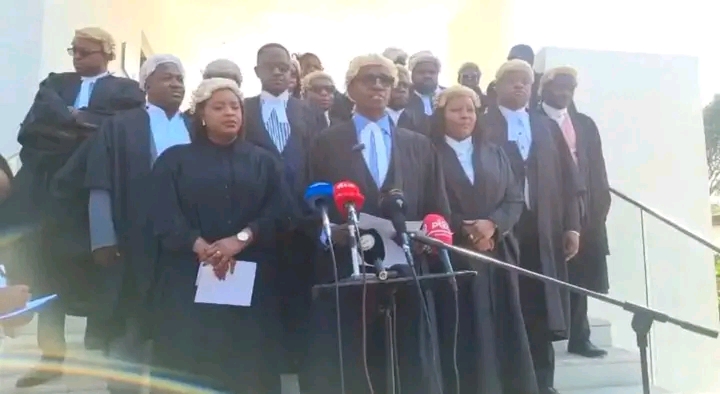
LAZ DEMANDS ANSWERS OVER THREE-DAY COURT CLOSURE
The Law Association of Zambia LAZ is demanding clear answers from the Judiciary over the three-day closure of courts and registries across the country, warning that the disruption may have left some citizens without access to urgent legal remedies.
Although the courts have reopened today Thursday 27th Augustl, LAZ president Arnold Kaluba says the return to normal operations does not erase the serious consequences of the closure between Monday and Wednesday.
Mr. Kaluba says the association made frantic efforts to establish why the courts were closed, who authorised the decision, its scope and what alternative measures were put in place to ensure continued access to justice.
But LAZ says it has yet to receive a meaningful and comprehensive explanation.
Mr. Kalaba has also taken note of a State House statement that the Executive did not sanction or direct the closure, saying it has no reason at this stage to that position.
LAZ’s major concern now is the potential prejudice suffered by court users during the three-day interruption.
Mr. Kaluba says there could have been accused persons seeking bail, victims requiring protection orders, litigants seeking urgent injunctions, and individuals or businesses facing legal deadlines who were unable to access the courts.
LAZ says no Zambian should lose a right or legal remedy because the institution responsible for providing that remedy was inaccessible.
The Association is therefore demanding that the Judiciary issue immediate and authoritative guidelines on how applications, filings and statutory or constitutional deadlines affected by the closure will be handled.
Mr. Kaluba says those who were prevented from complying with legal requirements because of the closure must not be unfairly prejudiced.
However Mr. Kaluba acknowledges that genuine security threats may sometimes require restrictions on access to court premises, LAZ says security cannot be used as a blanket justification for shutting citizens out of the justice system.
The Association is consequently calling for a permanent contingency framework to guarantee access to essential judicial services during emergencies.
Our comment is that events leading to closure of Courts have come to pass as real threats of security to the nation. Courts have in the past closed for one reason or another and all the people, particularly litigants are affected. The Courts normally issue fresh NOTICES OF HEARING, so there exists a mechanism for matters to be heard. It is very risky and unwise to file on the last day, even catching a flight, say from Lusaka at 07:30 hrs to attend and appear before Court at 09 hrs in Ndola High Court only for the flight to be delayed and fail to appear before Court. Better to prepare adequately and travel the previous day and spend a night.