

NATO REDUCES HIGH-LEVEL MEETINGS AS UNITY FACES GROWING PRESSURE
NATO will not hold its previously planned 2027 leaders’ summit in Albania as the alliance scales back several high-level meetings amid disagreements over defence spending, Iran and the war in Ukraine.
The alliance also skipped its customary October meeting of defence ministers this year, has no equivalent meeting scheduled for October 2027 and currently plans only one foreign ministers’ gathering next year instead of two.
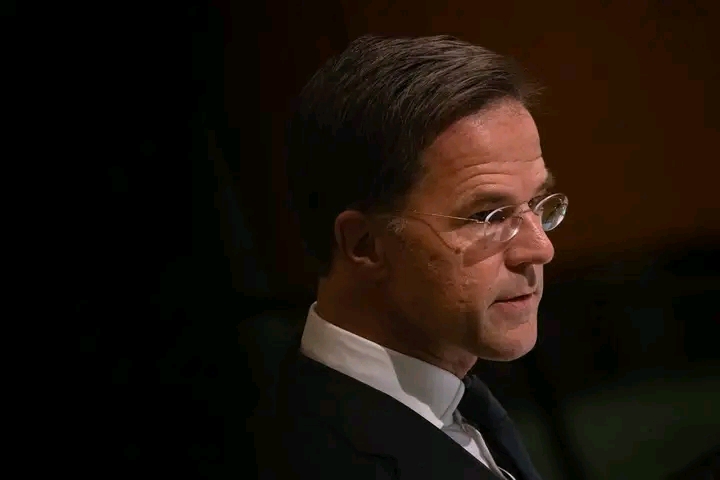
Secretary-General Mark Rutte has played down the change, arguing that NATO should hold summits when they are necessary. Leaders historically met every two years before annual summits became more common during the present period of heightened tension.
Reducing expensive political spectacles does not mean NATO has stopped communicating. Ambassadors, military commanders and working groups continue coordinating regularly, while emergency meetings can be organized in person or virtually.
However, the timing is difficult to ignore. Europe is entering another year of war as political fatigue grows and debates over the cost of supporting Ukraine become increasingly prominent. France faces a consequential presidential election in 2027, while several major German states will also vote as parties skeptical or hostile toward continued support attempt to gain ground.
These are precisely the moments when visible political coordination matters most. NATO summits are not merely ceremonies; they allow leaders to resolve disputes, approve military plans, commit resources and demonstrate to Russia that political disagreements will not fracture collective defence.
Fewer meetings could reduce drama and allow the alliance to focus on implementation. But fewer opportunities for leaders to confront their disagreements could also allow divisions to deepen quietly.
Russia is already demanding that NATO retreat to its 1997 positions and abandon much of Eastern Europe. It will interpret every sign of political distance as an opportunity.
As the war enters another year, the question of how much allies are prepared to spend will only become louder. NATO does not need meetings simply for the sake of appearing busy—but it must ensure that less ceremony never becomes less communication, less coordination or less commitment to Ukraine.