

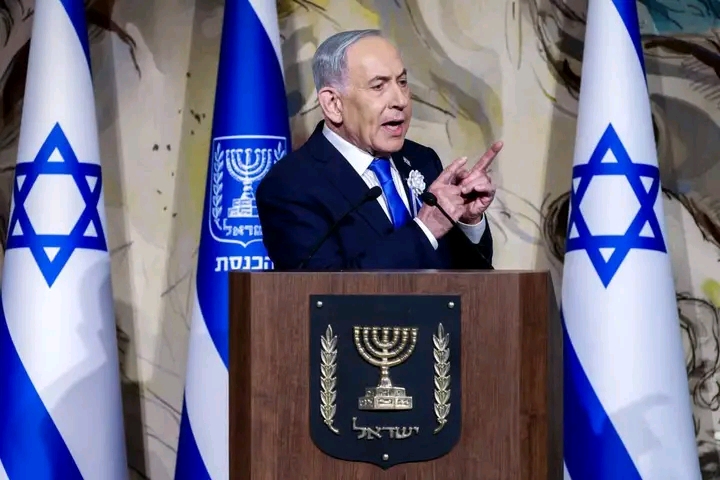
Netanyahu’s Legacy: How Personality-Driven Politics Is Reshaping Israeli Democracy
Benjamin Netanyahu’s long dominance of Israeli politics has significantly reshaped the country’s political landscape, transforming its electoral system, government institutions and public debate around leadership, security and democracy.
Over the years, Netanyahu has built a political movement centred heavily on his personal leadership, presenting himself as an indispensable figure for Israel’s national security and international standing. His supporters credit him with political experience, diplomatic influence and a strong approach to security challenges, while critics argue that his leadership has increasingly deepened political divisions and weakened institutional checks and balances.
His prolonged political dominance has also intensified concerns about the growing influence of personality-driven politics, in which political loyalty to an individual leader increasingly takes precedence over party principles, institutional accountability and national consensus.
The controversy surrounding Netanyahu’s corruption trials, judicial reforms and confrontations with Israel’s judiciary has further polarised Israeli society. Critics have accused his government of undermining democratic institutions, while Netanyahu and his allies have defended their actions as efforts to restore the balance of power between elected officials and the judiciary.
His political legacy is also closely tied to Israel’s security policies, the Palestinian conflict, regional confrontations and the country’s changing relationships with international partners.
As Israel enters another period of political uncertainty, the central question is whether its democratic institutions can regain public trust and operate independently of the political fortunes of individual leaders.
Netanyahu’s legacy may ultimately be measured not only by the length of his time in power, but also by how profoundly his leadership has changed Israeli democracy and the relationship between political authority, state institutions and society.