

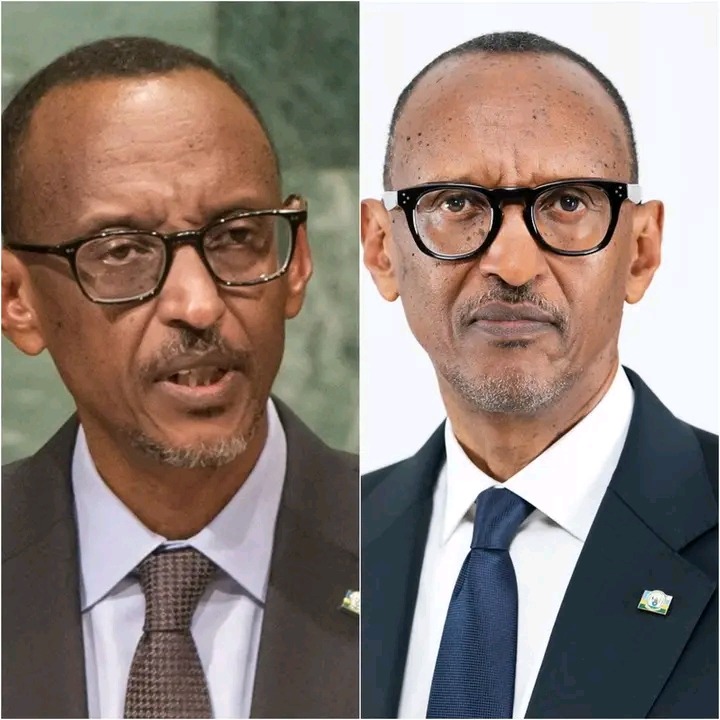
Paul Kagame shut down over 6,000 churches and 100 mosques. Then he said the quiet part out loud.
He didn’t ban faith. He made it a regulated industry. The 2018 law requires every preacher to hold a theology degree. Every church must submit annual action plans aligned with “national values.” Every donation must pass through a registered bank account. Cash collections during services? Prohibited.
Kagame’s logic is simple. If you want to run a church, you need credentials. Like a doctor. Like a lawyer. Like anyone else handling money and trust.
He told a press briefing he wouldn’t reopen a single church. “Many are just thieving… some churches are just a den of bandits.” He told Rwandans to farm, raise cattle, pray on their phones.
The number of churches in Kigali alone shocked him. 700 in the capital. “I don’t think we have as many boreholes. Do we even have as many factories?”
Here’s what makes this viral. Kagame is not attacking Christianity. He is attacking the business model that turned faith into an extraction economy. Pastors who collected tithes, built personal empires, and left congregants with nothing but promises. He called out the fraud that anyone who has sat in a Nigerian or Kenyan church knows intimately.
But the power to decide which faith is legitimate is not a small thing. The theology degree requirement sounds reasonable until you ask: who accredits the theology? The 2018 law also requires churches to align with “national values.” That is a political standard, not a spiritual one.
A church leader in Kigali, speaking anonymously, said Kagame’s “open disdain and disgust” for churches “spells tough times ahead.” Another pastor said it plainly: “It is unfair that even those that fulfilled all requirements are still closed.”
Kagame’s argument has force. Fraud is real. Exploitation is real. But when the state decides what qualifies as a church, the line between protection and control disappears.
He didn’t close churches to stop people from praying. He closed them to stop people from being robbed in God’s name. Whether that’s protection or something else depends on who you ask. Share with someone