

🇿🇲 ANALYSIS | Politics of Alarm Overshadows the Final Campaign
With barely ten days remaining before Zambia votes on August 13, the language of the presidential campaign is changing. Development projects, economic plans and competing manifestos are steadily giving way to security warnings, allegations and appeals for vigilance. The final stretch of the campaign is becoming less about what political parties intend to build and more about what they say could go wrong if they lose. Whether these developments reflect genuine concern or campaign strategy, they deserve careful examination because public confidence is itself part of every election.
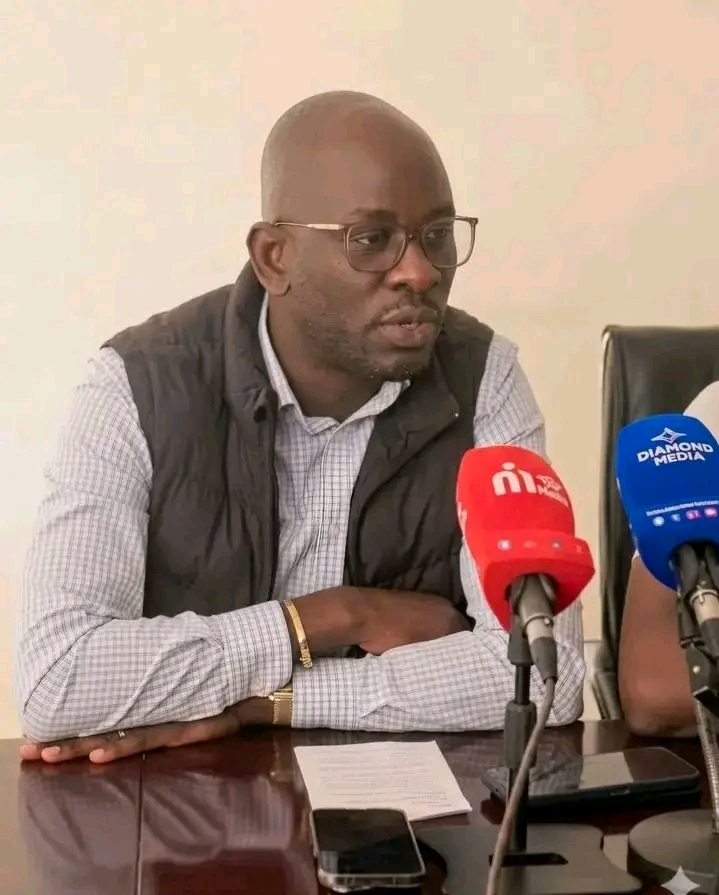
On Sunday, August 2, Tonse Alliance presidential affairs chairperson Binwell Mpundu appealed for financial support for Brian Mundubile’s presidential campaign through a Facebook broadcast. Explaining the fundraising drive, Mr Mpundu argued that political campaigns become vulnerable when they depend on wealthy financiers.
“If you don’t fund Brian Mundubile, there are people who are always available to politicians to give them money for campaigns and vote protection. Brian has rejected such offers.”
The message was accompanied by an appeal for ordinary citizens to finance the campaign in order to safeguard what Mr Mpundu described as a people-driven presidential bid. The statement immediately generated debate across social media. Some interpreted it as an appeal for grassroots ownership of the campaign. Others questioned what exactly was meant by the suggestion that financiers stood ready to influence a future government if citizens failed to contribute.
Twenty-four hours later, the campaign’s public messaging shifted further towards national security. During a press briefing on Monday, August 3, Tonse Alliance secretary general Celestine Mukandila alleged that foreign nationals could enter Zambia to participate in the August 13 election using Zambian identity documents.
“We have intelligence that foreigners may be brought in to vote through Chilubi Island.”
He continued:
“Areas such as Isoka… we have heard that Tanzanians may have our voters’ cards and NRCs… Areas such as Vubwi… we may have Malawians… In Chavuma we may have Congolese… In Ikelenge we have been informed that we may have Congolese and Angolans with voters’ cards and NRCs.”
Those are serious allegations. If true, they would suggest criminal offences involving immigration, civil registration and Zambia’s electoral system. But at the time of writing, no public statement from the Electoral Commission of Zambia or the Zambia Police had confirmed receiving evidence supporting the claims. Without such verification, they remain allegations made during an election campaign.
The same briefing introduced another claim carrying significant national security implications. Mr Mpundu alleged that three alliance members who had travelled to Russia for specialised VIP protection training disappeared after returning through Kenneth Kaunda International Airport.
“We sent individuals to Russia to be trained… The individuals we sent to provide special protection to President Brian Mundubile and the running mate have been abducted.”
He named Gideon Kalopa, Victor Muzyamba and Dickson Tembo before adding:
“We have every reason to believe this has something to do with the State.”
Again, no public confirmation had been issued by the Zambia Police announcing an investigation or confirming the alleged abductions when these remarks were made. If the allegations are supported by evidence, they deserve immediate and transparent investigation. If they are not, they risk introducing unnecessary anxiety into an already competitive election.
The Russia training itself raises legitimate questions extending beyond the allegation of disappearance. Who organised the training? Which institution provided it? Under what legal arrangement were campaign personnel receiving specialised VIP protection instruction outside Zambia? What role were they expected to perform during an election in which the protection of candidates ordinarily falls within established state security arrangements? These are not partisan questions. They arise directly from information placed into the public domain by the alliance itself.
The broader pattern is becoming difficult to ignore. Within two days, campaign messaging moved from fundraising linked to fears of external financiers to allegations of foreign voting, missing security trainees and suspected state involvement. None of these subjects is insignificant. Each touches on public confidence, national security and electoral integrity. Each therefore demands evidence proportionate to the seriousness of the claim.
This does not mean political parties should remain silent when they suspect wrongdoing. On the contrary, safeguarding elections requires parties to report credible concerns and requires institutions to investigate them impartially. But democracy also requires a distinction between intelligence, suspicion, allegation and verified fact. Those categories cannot be treated as interchangeable, particularly during the closing days of a presidential campaign.
Zambia has built a reputation for peaceful transfers of power because electoral disagreements have generally been resolved through institutions rather than speculation. That tradition should not become another casualty of campaign competition. The closer the country moves towards polling day, the greater the responsibility on every political actor to ensure that public confidence is strengthened by evidence rather than weakened by assertions that remain untested.
At The People’s Brief, we deliberately separate political claims from verified facts. We analyse what political actors say, compare those statements against institutional responses, examine historical and electoral data, and ask the questions readers themselves would ask.
Our responsibility is not to protect governments or opposition parties. It is to protect context. In elections, words matter. Facts matter more.
© The People’s Brief | Analysis Desk