PUTIN JUST EXPLAINED WHY HE DESTROYED UKRAINE’S GRAIN EXPORTS AND THE NUMBERS ARE WORTH READING
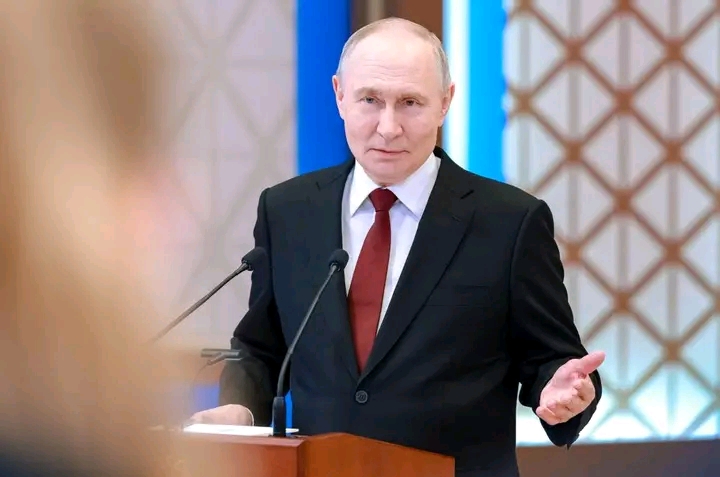
At his Bishkek press conference on September 1, Vladimir Putin laid out Russia’s position on the grain market and Ukraine’s agricultural crisis in detail.
His central argument on the original grain deal is factually verifiable. Independent UN tracking did confirm that the majority of Ukrainian grain under the Black Sea Grain Initiative went to middle and upper income countries rather than to the food-insecure nations the deal was publicly sold as helping. The 0.2 percent figure for the poorest countries is contested but the general direction of the criticism is accurate. African nations did not benefit proportionally despite being cited as the primary justification
Putin argues Russia withdrew because promised sanctions relief on Rosselkhozbank and shipping access never materialised. That is also documented.
On Ukraine’s current situation his numbers deserve attention. Ukraine spends approximately 8 billion dollars a month on imports but earns only around 3 billion from exports primarily grain. The gap is filled by Western transfers. If Russia’s campaign against Ukrainian port and shipping infrastructure succeeds in cutting that 3 billion, Ukraine faces simultaneous currency, budget, and banking pressure.
That is not speculation. That is economic warfare with a specific mechanism.
The honest context Putin did not volunteer is that Russia deliberately struck Ukrainian grain infrastructure as retaliation for Ukrainian strikes on Russian ships, and that this warfare over agricultural exports is killing the food security of countries far beyond Ukraine and Russia.
African countries that import grain, already paying higher prices because of the conflict’s disruption to global supply chains, are watching two European powers destroy each other’s agricultural capacity while both claim concern for developing world food security.
Neither side’s hands are clean on this one.