

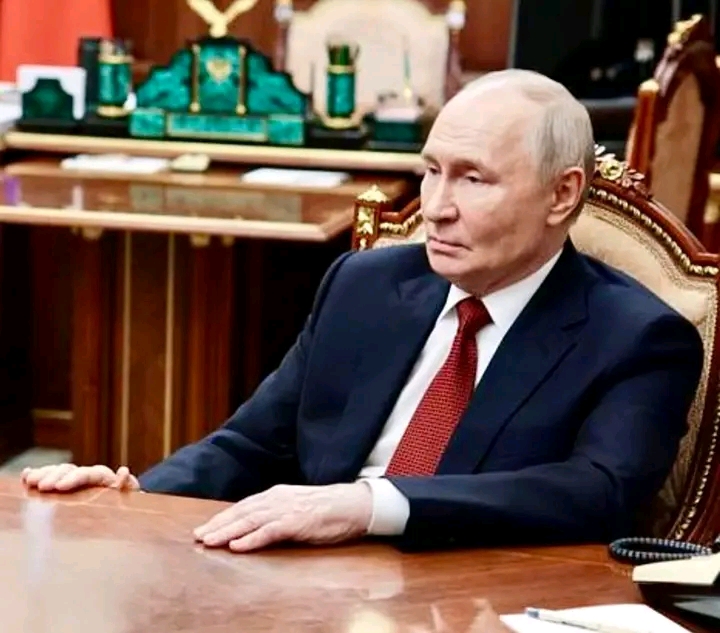
🔴 Putin Says Ukrainian Territory Is “Historically Russian” But What About Russia’s Own Borders? 🇺🇦🇷🇺
Russian President Vladimir Putin has repeatedly argued that parts of Ukraine historically belong to Russia. On October 22, he reportedly reiterated his position, saying: “This is not their territory. It’s the territory of historical Russia.”
But if historical ownership is used to justify modern territorial claims, the same logic raises questions about Russia’s own borders.
🇯🇵 Japan: Russia controls the southern Kuril Islands, seized by the Soviet Union in 1945. Japan continues to claim four of the islands, which remain a major source of tension between the two countries.
🇨🇳 China: Vladivostok and other parts of Russia’s Far East were historically connected to territories under the Qing dynasty. Russia acquired substantial territory in the region through 19th-century treaties with China.
🇫🇮 Finland: Vyborg and parts of Karelia belonged to Finland before the Soviet Union took them during and after World War II.
🇩🇪 Germany: Kaliningrad, formerly Königsberg, was part of German East Prussia before being transferred to Soviet control after World War II.
🇹🇷 Turkey: The Ottoman Empire once controlled territories around the Black Sea, including areas near the Sea of Azov, before Russian expansion reshaped the region.
These historical examples raise a fundamental question: If past territorial control determines modern sovereignty, should Japan reclaim the Kuril Islands? Should China demand Vladivostok? Should Finland seek the return of Vyborg? Should Germany claim Kaliningrad?
The answer lies in a fundamental principle of international law: historical possession alone does not give a country the right to invade another state and seize its territory.
Most of these countries do not pursue territorial claims based on every historical boundary. Their examples illustrate the dangers of using selective interpretations of history to justify modern expansion.
Ukraine is an internationally recognized sovereign state, and Russia previously recognized its independence and territorial integrity.
If every country used centuries-old borders to justify military conquest, territorial disputes could spread across the world, threatening international stability and peace.
History can explain borders, but it does not automatically determine who has the right to rule a territory today.
Ukraine does not lose its sovereignty simply because the Kremlin describes its land as historically Russian.
🇺🇦 Stand with Ukraine.
Sources Reuters