

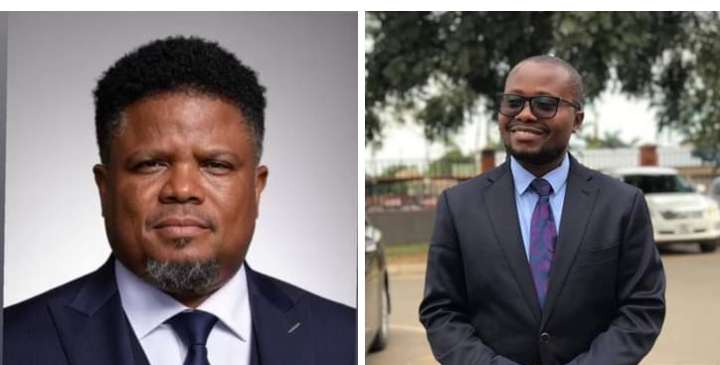
Release ZNBC Reporter, Arrest the Civil Servants Planning to Undermine Electoral Process
McPhersson Mutale Writes;
CYBER LAW ABUSE: RELEASE THE JOURNALIST
The arrest of journalist MacPherson Mukuka raises serious questions about the application of Zambia’s cyber laws and the protection of press freedom. Whether one agrees with his methods or not, the role of journalism in a democratic society is to bring matters of public interest into the open. At times, the acquisition of information may itself become controversial, but that should never distract from the equally important question of what the information actually reveals.
The greater concern is not simply that an audio recording found its way into the public domain. It is why individuals entrusted with serving the Republic—including civil servants and other public officials—were allegedly discussing matters that suggest partisan political conduct. Public officers are expected to serve the State and the Constitution, not political parties. If those allegations are true, then that issue deserves at least as much scrutiny as the journalist who exposed it.
It is difficult to believe that Mr. Mukuka was himself part of the meeting or that he secretly recorded it. A more plausible explanation is that someone present considered the information important enough to share with a journalist so that it could reach the public. If that is the case, then attention should also be directed toward the conduct that prompted the disclosure in the first place.
Equally troubling is the apparent normalization of partisan conduct within sections of the civil service. If public officials are indeed identifying fellow citizens as political enemies or discussing how to use public institutions for partisan purposes, then the nation deserves answers. This is precisely the kind of matter that demands leadership and accountability from those charged with overseeing the public service.
The Human Rights Commission, oversight institutions, and all defenders of constitutional freedoms should be equally concerned whenever freedom of expression and media freedom appear to be under pressure. These institutions exist to protect rights consistently, regardless of who occupies public office.
One cannot avoid asking a difficult but necessary question: if the officials captured in that meeting were perceived to support the opposition rather than the ruling party, would events have unfolded in the same way? Would the journalist have been arrested, or celebrated for exposing misconduct? Would those public officers still be in their positions? Justice must not only be done—it must be seen to be applied equally.
Cyber security legislation is necessary. Zambia needs laws that combat cybercrime, protect national security, and safeguard citizens from genuine digital threats. However, such laws lose public confidence if they are perceived to be enforced selectively or used primarily against critics, journalists, or political opponents. The rule of law demands consistency, not convenience.
The same principle applies to inflammatory online content. If individuals, regardless of political affiliation, publish videos inciting violence, displaying dangerous weapons, or threatening public order, law enforcement agencies have a duty to investigate swiftly and impartially. The law cannot distinguish between ruling party supporters and opposition supporters. It must distinguish only between lawful and unlawful conduct.
If credible evidence exists identifying those responsible for circulating material that promotes violence or threatens national peace, then investigations should proceed without fear or favour. Selective enforcement only deepens public mistrust and undermines confidence in the institutions responsible for protecting all Zambians.
As we approach another election, Zambia cannot afford the weaponisation of either public institutions or the law. Political competition must never come at the expense of constitutional freedoms, professional journalism, or the neutrality of the civil service. Our democracy is strongest when institutions are impartial and when every citizen is equal before the law.
If public officers abused their positions for partisan purposes, they should be investigated and held accountable through due process. If journalists have committed offences, they too should be subjected to fair, transparent, and proportionate legal processes that fully respect constitutional protections for media freedom.
A democratic society must never criminalise the pursuit of truth while ignoring the conduct that gave rise to its exposure. The law should protect the public interest, not political interests.
Release the journalist if there is no compelling legal basis for continued detention. Investigate the alleged misconduct by public officials. Apply the cyber law consistently. Above all, let justice be blind to political affiliation, because democracy cannot survive where the law is seen as serving power rather than principle.
●Macphersson Mutale is a prominent Zambian political commentator, author, project management consultant, and lecturer. He is known for his sharp analyses of the country’s socio-political landscape, public-private partnership (PPP) modeling, and media communications.