

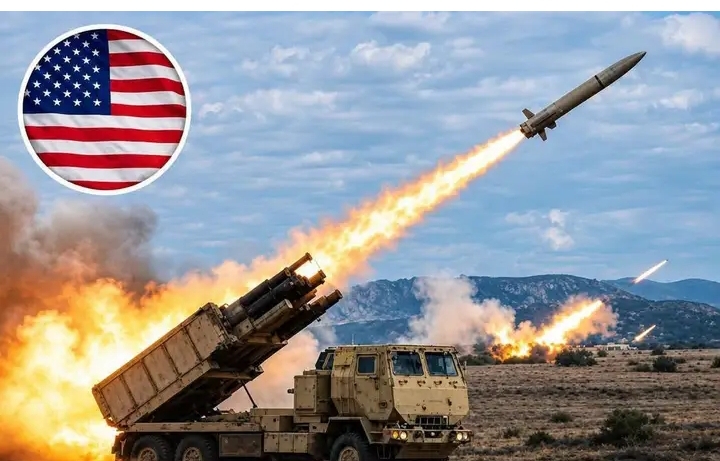
Reports Raise Questions Over U.S. Long-Range Missile Stockpiles Following Iran Strikes
New reports indicate that U.S. forces made extensive use of long-range precision missiles during their recent military operations against Iran, prompting renewed debate over the size and sustainability of America’s strategic missile inventory.
According to the reports, the weapons most heavily employed included the Army Tactical Missile System (ATACMS) and the newer Precision Strike Missile (PrSM), both designed to conduct deep-precision strikes against high-value military targets from long distances.
The reported level of missile expenditure has fueled concerns among some defense analysts and lawmakers about whether the United States could maintain a prolonged high-intensity conflict if military operations were to continue or expand.
Criticism has also emerged from members of the U.S. political opposition, who argue that President Donald Trump’s administration has not adequately planned for the long-term demand for precision-guided munitions in the event of an extended conflict. They contend that replenishing advanced missile inventories requires significant time and industrial capacity, making sustained operations a potential logistical challenge.
The reports further suggest that a noticeable reduction in U.S. missile stockpiles could have broader strategic implications. Analysts cited in the reports argue that diminished inventories might temporarily affect U.S. operational flexibility while potentially giving Iran greater leverage in future diplomatic negotiations, particularly if Washington seeks to avoid prolonged military engagements.
However, U.S. defense officials have not publicly confirmed the reported level of missile consumption or indicated that American forces are facing critical shortages. The Pentagon has also not released updated figures regarding current inventories of ATACMS or PrSM missiles.
The developments come amid continued scrutiny of U.S. defense readiness, weapons production capacity, and the balance between supporting ongoing military operations and maintaining sufficient strategic reserves for future contingencies.