

THE DRY GRASS AROUND THE THRONE: WHEN SYCOPHANTS BECOME A PRESIDENT’S GREATEST DANGER {THE PEOPLE’S POLITICAL SCIENCE}
The people who praise a president the loudest may be the first to abandon him or her when power disappears. Simon Mwansa Kapwepwe Z”L, once employed the powerful metaphor of dry grass to describe political sycophants. Dry grass offers no protection against fire. It burns readily, consuming everything around it.
Such are the people who surround a president with extravagant praise, conceal uncomfortable truths and mistake political servility for loyalty. Their allegiance is to the privileges of power, the appointments, contracts and opportunities that accompany proximity to the presidency. Their consciences become casualties of personal advancement.
Kenneth David Kaunda had genuine patriots around him, including Simon Mwansa Kapwepwe and other courageous nationalists who understood that loyalty sometimes demanded disagreement. They warned against the concentration of power and the suppression of independent judgement. However, the intoxicating chorus of presidential praise gradually displaced the counsel of those prepared to speak uncomfortable truths.
When the political tide turned in 1991, many who had celebrated Kaunda’s authority hurried towards the emerging MMD establishment. The dry grass had caught fire. The president who had once commanded the machinery of the State eventually experienced its coercive power himself, including detention and prosecution following the 1997 coup attempt.
I subsequently benefited from the personal mentorship of President Frederick Chiluba after he had left office and was facing prosecution. During his ten years as President, I had only seen him once, from a distance, at a political rally in Chinsali. Our meaningful encounters came when I was a backbench Member of Parliament and he was confronting the difficulties of life after the presidency.
He spoke candidly about the mistakes of presidential power, the decisions he would reconsider and the things he would do differently if history afforded him another opportunity. Those conversations furnished me with invaluable lessons about the transience of authority and the consequences of decisions taken while occupying the highest office.
There is a recurring tragedy in African presidential politics. Leaders are encouraged to regard themselves as indispensable, while their courtiers invoke the supposed invincibility of other powerful rulers. Even Muammar Gaddafi once appeared immovable, but history has an uncompromising way of dismantling illusions of permanence.
The very people who discourage accountability during a presidency may become conspicuously absent when that presidency ends. Some even become enthusiastic participants in the persecution of the leader whose authority they previously glorified.
A president’s genuine friends are those who possess the moral courage to disagree with him, protect him from disastrous decisions and defend the long term interests of the country. The sycophant protects his privileges. The patriot protects the nation, including the president from the consequences of his own mistakes. A leader who mistakes flattery for loyalty gradually surrounds himself with people who will applaud his political destruction until the very moment they discover a more profitable allegiance.
Any political agenda that remains oblivious to the lived realities of the masses is a house built upon sinking sand. However imposing its ambitions or elaborate its promises, it cannot endure when its foundations are divorced from the economic hardships, aspirations and daily struggles of the people it purports to serve.
Power expires. Privileges disappear. The consequences of leadership endure.
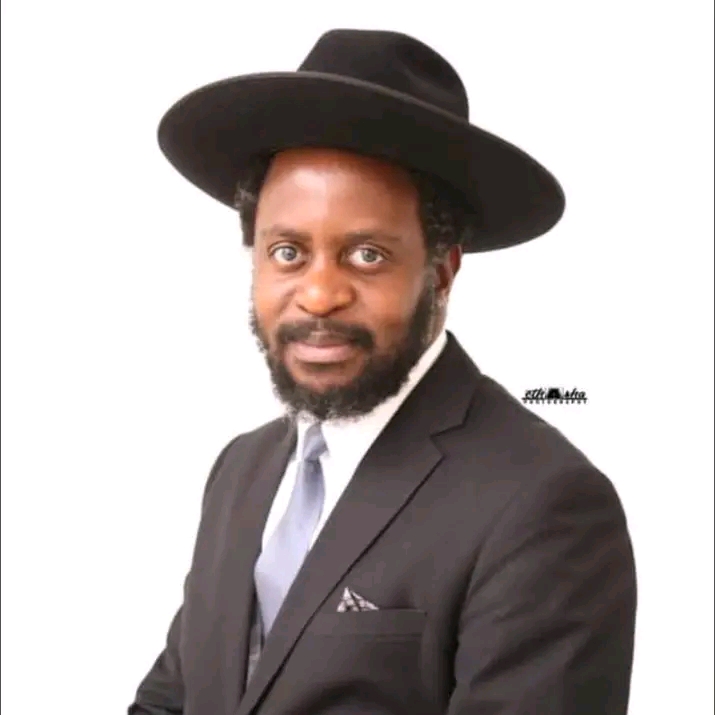
Saviour Chishimba
(Yehudah Ben David)
Principal & Founder
THE PEOPLE’S ACADEMY