

THE PEOPLE MAY SUFFER IN SILENCE, BUT HISTORY HAS NEVER GRANTED OPPRESSORS PERMANENT POWER: THE NEW COLONISERS ARE AMONG US
Leaders must never become so engrossed in commercial transactions, political arrangements and the accumulation of wealth that they lose sight of the suffering of ordinary citizens, the indigent and the dispossessed. The Gemara teaches that those who possess the authority to prevent wrongdoing and remain silent may bear responsibility for the injustices they could have prevented. Our Jewish Sages teach that even the appointment of a leader requires consultation with the people.
These teachings constitute a formidable moral admonition to those entrusted with public authority. The cries of the hungry, the hardships of the poor and the anguish of struggling families must reach the highest echelons of government. Public authority is a solemn trust, and its exercise carries responsibilities that no accumulation of wealth or political influence can extinguish.
Our forefathers never attended the Berlin Conference of 1884 to 1885, where European powers negotiated arrangements for advancing their imperial interests in Africa. Today, we must guard against the recurrence of that dispossession under rulers drawn from among our own people. The colonial administrator has departed, but the danger of decisions being made over the heads of the people remains. No Zambian should awaken one morning to discover that ancestral land has been allocated to mining interests without lawful procedures, meaningful consultation with chiefs and protection of community rights. The ownership of mineral licences, their ultimate beneficial owners and the circumstances of their allocation must be open to public scrutiny. Our national patrimony must never become the private preserve of politically connected interests.
There is a limit to human suffering. In Melachim II (2 Kings 7:3 to 11), the Tanakh (Hebrew transliteration for Bible) recounts the experience of four men afflicted with leprosy outside the besieged city of Samaria. Starvation awaited them if they remained where they were. Advancing towards the enemy camp carried the possibility of death, but also the prospect of survival. They chose to advance. Unknown to them, the Almighty had already caused the besieging army to hear the sounds of a mighty military force. The enemy fled, abandoning its provisions and possessions. The four men discovered that the danger they dreaded had already passed.
The experience of the lepers offers an enduring lesson in faith, courage and the refusal to capitulate to despair. Never underestimate the power of prayer, particularly when every conscientious effort to offer counsel has been exhausted and the customary avenues through which citizens may reach those in authority have become inaccessible. There are moments when human entreaties find no audience, but supplication before the Almighty remains an inexhaustible recourse.
Our freedom fighters understood the human imperative of liberty. They faced a colonial establishment possessing overwhelming military, financial and administrative superiority. They understood that a life permanently deprived of dignity, self determination and the fruits of one’s labour was an intolerable condition of human existence. Through organisation, sacrifice, political mobilisation and steadfast conviction, they challenged colonial domination. Their struggle reminds every generation that freedom requires vigilance, civic responsibility and the courage to defend the rights of fellow citizens.
Africa’s political history bears witness to the impermanence of earthly power. Rulers who once commanded formidable armies, controlled national treasuries and inspired widespread fear eventually departed the corridors of authority. Some died in exile, estranged from the countries whose resources they had appropriated. Their accumulated fortunes could neither purchase political immortality nor expunge the consequences of their conduct. Political power is transient. The moral judgement of history survives the splendour of office.
We who occupy positions of leadership must remember that the state is a public trust whose institutions, resources and authority belong to the country and its people. The suffering of the poor must never become an acceptable price for the enrichment of the powerful. The authority to govern confers an obligation to protect the vulnerable, administer justice, uphold the Constitution and preserve the national inheritance for generations unborn. Every citizen has a rightful place in the affairs of the nation, and every community deserves to be heard when decisions affecting its land, livelihood and future are made.
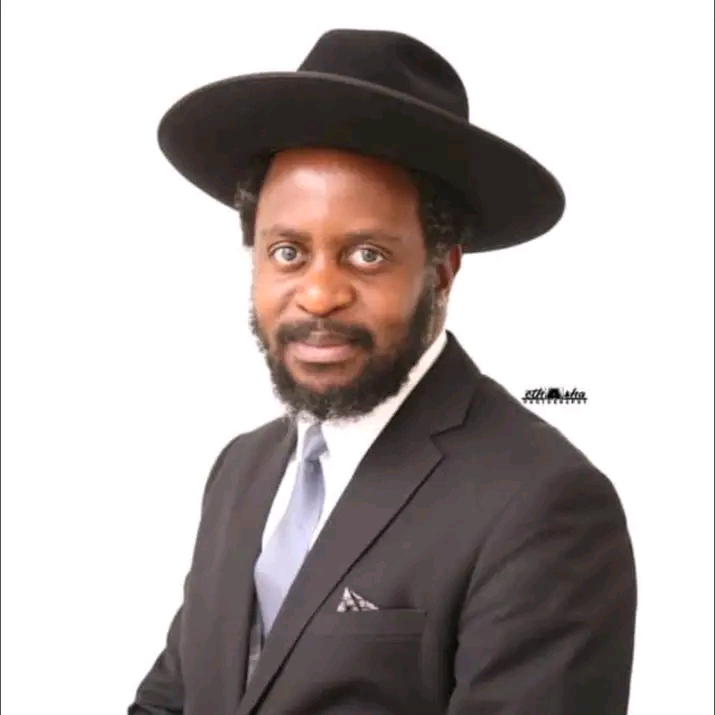
Many people ask about my political mentorship under President Frederick Chiluba. Dr Chiluba was a man of deep devotion to prayer. I witnessed him spend virtually entire days reciting Psalms, praying and weeping before the Almighty. I have never encountered a President so devoted to prayer. When he declared Zambia a Christian nation at State House, he attributed the political transition from the once powerful and authoritarian UNIP to MMD to the power of the Almighty. I believe he was right. Prayer sustained hope through years when political dissidents endured imprisonment and repression. Today, I am an Orthodox religious Jew. Some Jews are secular, while others are religiously observant. The kippah or black hat I wear is no fashion accessory. Covering my head is an expression of reverence, a perpetual reminder that G-d is above me and that every exercise of earthly authority remains subject to His judgement. Never underestimate the power of prayer.
As a Jewish scholar and political leader, I draw an enduring obligation from the teachings of our Sages. Silence in the presence of preventable injustice carries moral consequences. Those entrusted with authority must remember that every decision they make, every injustice they permit and every opportunity they possess to alleviate human suffering will ultimately be measured against the inexorable demands of justice.
The Almighty hears the cries of the oppressed. No earthly office confers exemption from His judgement. Let us act ethically. Let us govern with conscience. Let us defend the dignity of every human being through the institutions and constitutional liberties of our country. Let us think heavenly.
Saviour Chishimba
(Yehudah Ben David)
Jewish Scholar
Founder & Principal
THE PEOPLE’S ACADEMY