

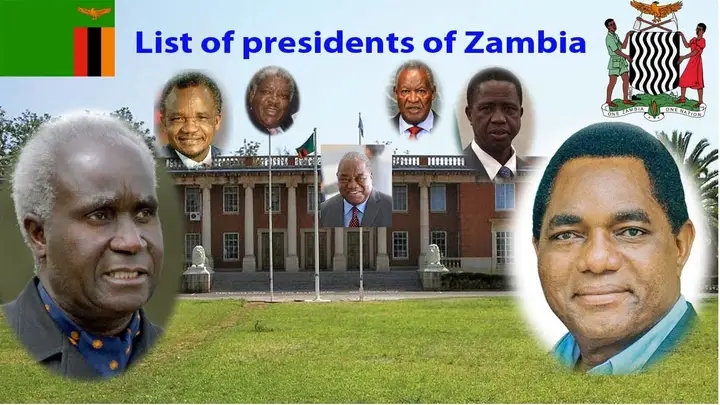
THE ZAMBIAN EX SYNDROME: EVERY FORMER PRESIDENT SUDDENLY BECOMES AN ANGEL
One of the greatest political syndromes in Zambia is that every moment a President leaves office, he suddenly becomes an angel. We love Ex Presidents. We fail to appreciate and protect presidents when they are still in office even when signs of stability are there. It has happened repeatedly throughout our history. Until we, the people of Zambia, cure ourselves of this syndrome, continuity in development will remain elusive. We will continue taking a few steps forward, followed by many steps backwards.
When President Kenneth Kaunda left office in 1991, the country celebrated change. President Frederick Chiluba was welcomed with enormous hope. Within a short time, however, the painful reality of the Structural Adjustment Programme (SAP) emerged. Those reforms were painful because Zambia’s economy had deteriorated over many years and needed restructuring. Suddenly, many people began saying, “Kaunda was better.” The man who had just been rejected became the hero.
Then came President Levy Mwanawasa. He inherited a country burdened by heavy debt and widespread corruption. His anti-corruption campaign was fiercely resisted. He was mocked and insulted, even called “Cabbage.” During the 2006 elections, President Chiluba actively supported the opposition against him, and many people once again began saying that “things were better under Chiluba.”
As President Mwanawasa’s reforms took root, Zambia experienced one of the strongest periods of economic recovery in its modern history. Macroeconomic stability improved. Investor confidence returned. Debt relief was secured. Household incomes gradually improved. Zambia attained middle-income status. The very reforms that many opposed eventually produced visible national progress.
After President Mwanawasa’s passing, President Rupiah Banda completed his term, followed by President Michael Sata. The new administration expanded borrowing while foreign reserves weakened. Inflationary pressures increased and the Kwacha depreciated significantly over the following years. Although certain tax measures increased disposable income for workers, rising prices eroded much of that benefit. Many households discovered that earning more money does not help if that money buys less.
Following President Sata’s passing, President Edgar Chagwa Lungu assumed office. His presidency left Zambia facing serious challenges. Cadreism spread into markets and public institutions. Political tensions escalated. Public debt rose rapidly. Corruption became a major national concern. For the first time since Independence, Zambia defaulted on its external debt, severely damaging the country’s international financial reputation. Tribal divisions deepened, and confidence in public institutions weakened
In 2021, the Zambian people voted overwhelmingly for change. President Hakainde Hichilema inherited an economy burdened by debt, high inflation, foreign exchange shortages, low reserves, and limited fiscal space. The reforms required to stabilise such an economy were never going to be painless. Debt restructuring.
Fiscal discipline. Rebuilding foreign exchange reserves. Restoring investor confidence. Stabilising the Kwacha.
Reducing inflation. These are not overnight achievements. They require patience, discipline and consistency.
Today, as these reforms continue, something familiar is happening again. Some have begun saying, “Edgar Lungu was better.” They are thinking that his former ministers who are now presenting themselves under rebranded groups are the new economic “saviours”.
Have we learned nothing from our own history? Every generation seems to repeat the same mistake. We celebrate change, reject difficult reforms when they become uncomfortable, and then fall in love with the past we once rejected.
Our country cannot build lasting prosperity if it abandons long-term reforms every electoral cycle. This does not mean any government is above criticism. Every administration should be held accountable, and where policies fall short, they should be improved, but we must also recognise genuine progress when it occurs and allow sound reforms the time they need to bear fruit.
As Zambia approaches another important election, perhaps the most important question is not simply who should govern. The deeper question is whether we, as citizens, have finally matured enough to distinguish between temporary hardship and long-term national progress.
If we keep repeating the same political cycle, we should not be surprised if we keep producing the same economic outcomes. The future of Zambia depends not only on the leaders we elect, but also on the wisdom, patience and consistency of the people themselves.
Zambia Forward, TOGETHER in UNITY. 🇿🇲
Saviour Chishimba
Leader
United Progressive People (UPP)
UPND Alliance Partner
When people write, the only people who read are those whose minds are already made up. The people who read are nevr swayed nor convinced by the best arguments one can put out. They are stuck in their own ways. What politicians need to do, is to convince those who stand on the fence. When things are bad, these will be very few indeed. Every Zambian voter feels the effects of government policies, for good or for bad. The undecided must be persuaded that things will be better. The message the UPND and Alliance partners need to give people is that Zambia is on the road to recovery. It is not useful to point out what you have done but point to where you are going. A man who sets out on the Great East road from Lusaka is likely to reach Chipata no matter what difficulties there are on the road and manenekela. But if he sets foot on the lovely and plain sailing Lusaka-Ndola road, he may enjoy the ride but it will never take him to Chipata. PF was leading the country in the wrong direction and it would have never reached the desired haven.