

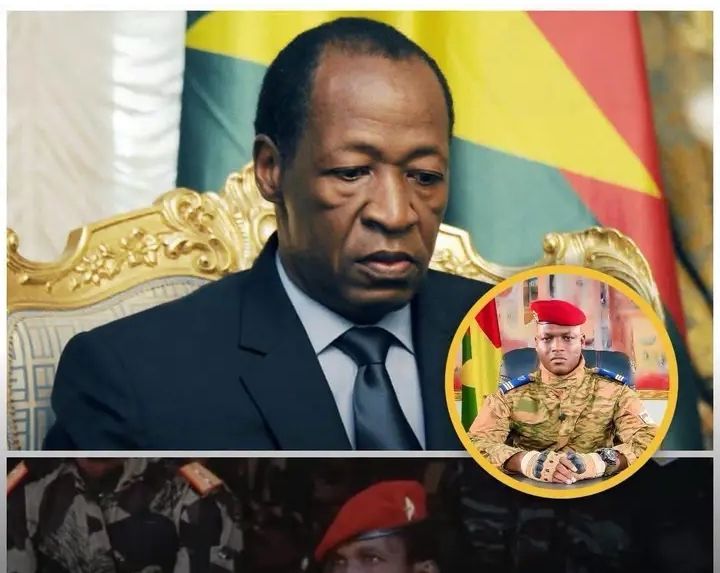
They burned parliament, and by morning the president who ruled for 27 years was gone
Blaise Compaoré had ruled Burkina Faso since 1987. He took power in a coup that killed his own comrade Thomas Sankara, and he held the presidency for the next 27 years. In October 2014, he announced one more move, a change to Article 37 of the constitution to remove the limit on presidential terms, clearing his path to a fifth term and beyond. It was the final insult after nearly three decades, and it lit the match.
Protests began on 28 October. By the 29th they had swelled into the streets of Ouagadougou, Bobo-Dioulasso and Ouahigouya at once. On 30 October, the day parliament was set to vote on the amendment, security forces blockaded the roads to the National Assembly and fired tear gas into the crowd. It did not hold. Around 1,500 protesters broke through the cordon. They stormed parliament, dragged furniture and computers into the street, and set the chamber on fire. They burned the headquarters of Compaoré’s ruling party. They ransacked the state television station. Cars burned outside the building that had governed the country for 27 years.
Security forces shot into the crowd. At least three protesters were killed that day, with more wounded. A popular chant in the streets compared Compaoré to the Ebola virus then devastating other parts of West Africa, something the nation needed to expel before it killed everything around it.
By nightfall Compaoré declared a state of emergency and dissolved his government. It changed nothing. He tried to cling on for one more day. Then, with French military assistance, he fled the country entirely, crossing into Côte d’Ivoire, where President Alassane Ouattara granted him citizenship and shelter from the crimes he left behind. A man who had ruled for 27 years was gone from power within roughly 72 hours of the fire.
There is a bitter symmetry sitting inside this story, and it deserves to be said plainly. The man toppled that week had first seized power by helping to kill Thomas Sankara in 1987. Twenty seven years later, a new generation of Burkinabè youth, many of them born after Sankara’s death, carried his memory back into the streets and finished what his assassination was meant to prevent forever. Compaoré ruled off the back of one murder. He lost power to a nation that never stopped remembering the man he killed.
It took less than three days to unmake nearly three decades. That is the lesson every entrenched ruler on this continent should sit with. Power that looks permanent is often only untested.
#HistoricalAfrica