

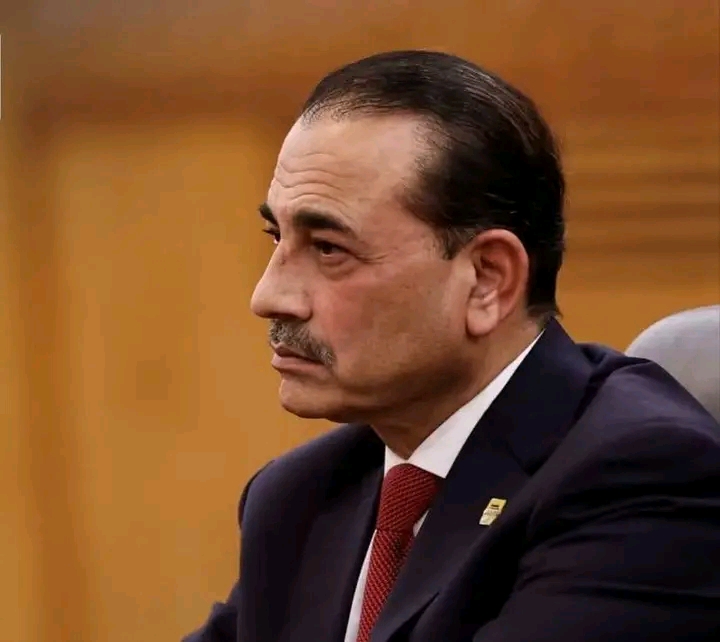
Trump Sends Pakistan’s Asim Munir to Tehran as Iran Talks Enter New Phase
U.S. President Donald Trump has reportedly dispatched Pakistan’s Field Marshal Asim Munir to Tehran in an effort to jump-start negotiations with Iran, with the Pakistani military chief expected to arrive in the Iranian capital tomorrow.
If confirmed, the move would represent a significant diplomatic role for Pakistan and underline Islamabad’s growing importance as a potential intermediary between Washington and Tehran.
Supporters of the move argue that the conflict has produced several unexpected geopolitical winners and losers.
Among the countries and institutions facing the biggest strategic setbacks is India, which has seen Pakistan emerge with greater diplomatic influence at a critical moment. Pakistan’s expanding role in regional security and mediation could strengthen Islamabad’s position while complicating New Delhi’s strategic calculations.
Another major target of criticism is AIPAC and the broader pro-Israel political lobby in the United States. Critics argue that political support for strongly pro-Israel candidates is no longer carrying the same electoral weight it once did, pointing to primary contests in which several candidates identified with the pro-Israel camp have struggled or lost.
The conflict is also being portrayed as a potential turning point for the global financial and technological infrastructure.
SWIFT and GPS have become symbols of Western dominance over international payments and navigation, while China’s CIPS payment system and BeiDou satellite-navigation network are gaining greater attention as countries seek alternatives to systems vulnerable to U.S. pressure.
However, claims that U.S. sanctions against Iran are now simply “academic” remain highly debatable. Washington retains significant leverage over international finance, trade, shipping and access to the dollar-based financial system, even as alternative Chinese and regional mechanisms expand.
The biggest perceived winners, according to this assessment, are Pakistan and China.
Pakistan could emerge with enhanced diplomatic influence by positioning itself as a bridge between Washington and Tehran, while China stands to benefit from the accelerated development of alternative financial, technological and strategic networks outside the traditional U.S.-dominated system.
Sudan is also being described as a potential beneficiary of shifting regional dynamics. The continuing war has affected the ability of external actors to support the Rapid Support Forces (RSF), while Saudi Arabia has reportedly gained greater room to provide assistance to Sudan’s government. Reports of RSF defections and battlefield losses have further altered the balance of power.
Against this backdrop, Munir’s reported mission to Tehran could carry a message far beyond the formal language of diplomacy.
The argument being advanced by some observers is that Washington has been forced to reconsider its position and that Trump’s decision to rely on Pakistan’s military leadership to reopen negotiations signals a major strategic adjustment.
In other words, they argue, surrender does not always look like surrender.
Sometimes, it arrives in the form of negotiations, mediation and a search for an exit from a conflict that has become increasingly costly and difficult to control.
The actual objectives of Munir’s Tehran visit, however, remain to be established through official statements from Washington, Islamabad and Tehran.